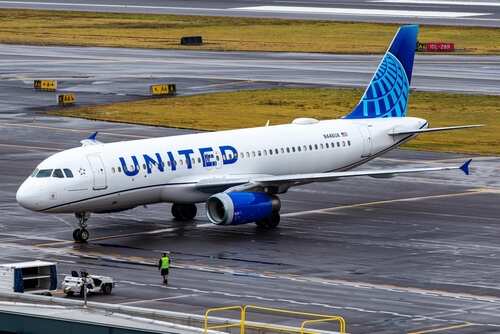
A United Airlines flight suffered a fractured windshield and pilot injury at 36,000 feet after colliding with a weather balloon, exposing dangerous gaps in federal aviation oversight.
Story Highlights
- United Airlines Boeing 737 Max forced into emergency landing after weather balloon collision injured pilot
- Windborne Systems balloon struck aircraft at cruising altitude despite FAA compliance claims
- NTSB investigation hampered by government shutdown, delaying safety answers
- Private company’s 4,000+ balloon launches raise questions about adequate airspace monitoring
Flight Disaster Narrowly Avoided Over Utah
United Airlines Flight operating from Denver to Los Angeles encountered a life-threatening situation Thursday when a weather balloon operated by private company Windborne Systems collided with the aircraft at 36,000 feet. The Boeing 737 Max suffered a fractured windshield and pilot injury, forcing an emergency landing in Salt Lake City with 134 passengers and six crew members aboard. Despite the company’s claims of following all FAA regulations and filing proper pilot notifications, the incident demonstrates alarming vulnerabilities in America’s airspace safety protocols.
Watch:
Windborne Systems CEO John Dean acknowledged the severity of the collision, stating the outcome was “extremely concerning, and unacceptable in the case of a collision, regardless of what the official regulations are.” The company launched over 4,000 balloons while coordinating with the FAA and providing live position updates. However, this incident proves that current regulatory frameworks fail to adequately protect commercial aviation from unauthorized objects in controlled airspace.
A United Airlines emergency landing likely caused by collision with a weather balloon
— WSFA 12 News (@wsfa12news) October 22, 2025
Government Shutdown Delays Critical Safety Investigation
The National Transportation Safety Board launched an investigation into the collision, but progress has been hampered by a government shutdown preventing further official commentary. Windborne Systems conducted its own investigation Sunday, matching balloon telemetry data with the flight’s path and time, then forwarded findings to federal authorities. The NTSB expects a preliminary report within weeks, though a comprehensive analysis could take over a year to complete.
The delayed investigation timeline raises serious concerns about government priorities during safety crises. Private companies like Windborne operate with minimal oversight, launching objects into commercial flight corridors with potentially catastrophic consequences for innocent passengers and crew members.
Regulatory Failures Enable Preventable Aviation Risks
This collision exposes fundamental weaknesses in federal aviation management that prioritize bureaucratic compliance over passenger safety. Despite Windborne’s adherence to FAA notification requirements and balloon tracking protocols, a 2.4-pound object still managed to cause significant aircraft damage and crew injury at cruising altitude. The incident occurred in airspace supposedly protected by comprehensive safety measures and monitoring systems.
A recent United Airlines emergency landing appears to have been the result of a collision with a weather balloon over Utah. Layers of the aircraft's windshield fractured last week during the flight – at 36,000 feet.
— 2 News Nevada (@KTVN) October 22, 2025
Windborne Systems has modified balloon software to reduce time spent at commercial cruising altitudes and is exploring impact-minimizing ballast designs. However, these reactive measures highlight the inadequacy of proactive federal oversight. The FAA’s current approach allows private entities to operate potentially dangerous equipment in commercial airspace while relying on voluntary compliance rather than stringent enforcement mechanisms that prioritize public safety over corporate convenience.
Sources:
United Airlines emergency landing likely caused by collision with weather balloon