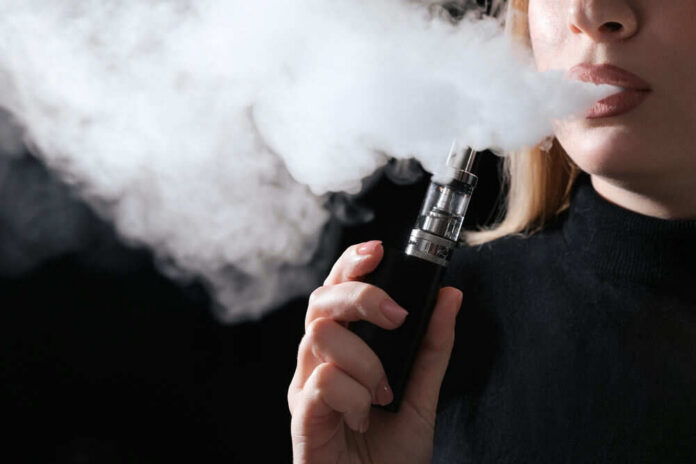
A 22-year-old British woman lost part of her lung to cancer after vaping since age 15, exposing the hidden dangers of what Big Tech and globalist regulators once pushed as a “safe” alternative to smoking.
Story Highlights
- Kayley Boda, 22, diagnosed with stage one lung cancer at 21 after years of disposable vaping, upstaged to stage three during surgery removing her right lung’s lower lobe.
- Symptoms started with coughing brown mucus in January 2025, misdiagnosed repeatedly despite coughing blood and seven biopsies over four months.
- No family history of cancer; Boda blames vaping, urging youth to quit as she battles chemo side effects and mobility loss.
- Case fuels scrutiny on disposable vapes amid rising youth usage and emerging evidence linking nicotine vapes to lung and oral cancers.
Young Woman’s Rapid Cancer Progression
Kayley Boda, a 22-year-old retail assistant from Manchester, UK, began vaping at age 15 following minimal tobacco use. She switched to disposable vapes, consuming one 600-puff device weekly before symptoms emerged. In January 2025, she coughed up brown, grainy mucus, progressing to bright red blood by March. An X-ray revealed a lung shadow, dismissed initially as non-cancerous. Boda visited doctors eight times, facing repeated misdiagnoses as a chest infection. This delay highlights failures in public health systems once trusted to protect everyday families from corporate-driven vices.
Diagnostic Delays and Surgical Shock
From April to July 2025, Boda endured seven biopsies over four months. August brought a stage one lung cancer diagnosis at age 21. During September surgery, doctors removed her right lung’s lower lobe and lymph nodes, only to discover cancer in six nodes, upstaging it to stage three. November chemotherapy triggered severe reactions, leaving her with breathing difficulties, chronic pain, and mobility limits like inability to climb stairs. Boda quit vaping three months prior and now warns her family and friends. Such personal tragedies underscore how government oversight lags behind profit-driven trends eroding American values of personal responsibility.
Linking Vaping to Youth Cancer Risks
Boda attributes her cancer directly to vaping, citing no family history. Her doctors noted vaping “definitely didn’t help” but stopped short of sole causation due to rarity in youth. A similar 2024 Canadian case saw a 24-year-old develop multifocal lung cancer after heavy CBD vaping from age 14 with minimal smoking. Broader precedents include the 2019 U.S. EVALI outbreak and popcorn lung from vape flavorings. Disposable vapes, popular post-2020 for flavors, correlate with surging youth use—7.8% of UK 11-15-year-olds in 2023. These patterns reveal how unregulated imports and lax policies threaten the next generation’s health and independence.
Recent 2026 studies reinforce vaping’s carcinogenicity. A UNSW Sydney review of over 100 studies concluded nicotine vapes likely cause lung and oral cancers, based on human biomarkers, animal tumors, and chemical data. Vapers absorb DNA-damaging heavy metals and aldehydes. Dual vape-smokers face four-fold lung cancer risk. While positioned as smoking alternatives, vapes act as gateways, demanding parental vigilance and limited-government approaches over elite-driven mandates.
Broader Implications for Families and Policy
Boda’s ordeal strains her family financially and emotionally, mirroring burdens on working-class Americans amid rising healthcare costs from preventable diseases. It accelerates UK disposable vape bans proposed in 2025, stigmatizing the industry akin to tobacco. Long-term, vaping carcinogens may shift lung cancer demographics younger, with latency revealing more cases. Both conservatives frustrated by globalist overspending on failed green agendas and liberals decrying health inequities agree: corrupt elites prioritize profits over people. This story demands accountability, echoing calls for self-reliance and skepticism of “harmless” innovations pushed by deep-state influencers.
Sources:
Woman who went through one vape a week diagnosed with cancer aged 21
PMC case study on vaping-related lung cancer