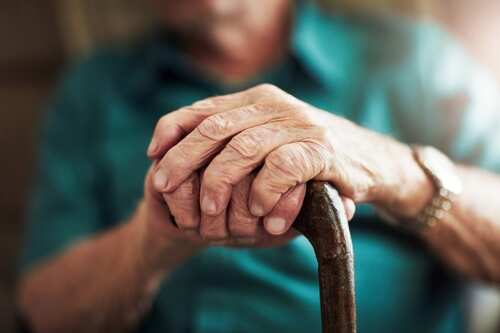
Sixteen million older Americans now face a question once whispered in late-night worries: What if no one is there when my final moment comes?
Story Snapshot
- The number of “solo agers”—older adults without spouse, children, or close family—has surged, fueling unprecedented fears of dying alone.
- Demographic shifts, social fragmentation, and looming policy changes threaten to leave millions isolated in their most vulnerable years.
- Healthcare, hospice, and community support systems remain ill-equipped for this rising tide of elder solitude.
The New Face of Aging: Alone, and Uncertain
Jacki Barden’s story is not unique, but it is a harbinger. At 75, with no children, siblings, or surviving spouse, Jacki epitomizes the growing cohort of Americans confronting old age in solitude. Her days, once filled with the noise of family, now echo with the quiet dread of isolation. The experience is not abstract: after her husband’s death in 2003, Jacki’s world shrank. Friends drifted away, neighbors moved, the pandemic closed social doors. She now wonders, in stark honesty, who will be there at the end—and how many others are asking the same question.
An age-old fear grows more common: ‘I’m going to die alone’
More than 15 million people 55 or older don’t have a spouse or biological children; nearly 2 million have no family members at all.
Still other older adults have become isolated because of sickness, frailty or…
— Evan Kirstel #B2B #TechFluencer (@EvanKirstel) October 12, 2025
COVID-19 hammered this anxiety home. Hospitals and nursing homes barred visitors, leaving patients—young and old—to face illness and death with only the hum of machines for company. For solo agers like Jacki, the world’s temporary quarantine simply revealed a permanent reality. Demographers now estimate over 16 million Americans over 65 live alone. More than 15 million aged 55 or older have no spouse or children to call in a crisis. This is not just a social shift; it is a seismic demographic upheaval quietly reshaping the American experience of aging and dying.
Watch: The Truth About Being Old and Alone
Why Solo Agers Are on the Rise
The roots run deep—low birth rates, longer life expectancy, and a steady rise in divorce have created a generation with thinner family networks. As the baby boomers age, the solo ager population grows, with many outliving their partners and outpacing the support capacity of distant relatives. Social networks, once robust in midlife, contract with each passing decade as friends fall away due to illness, death, or relocation. Policy has not kept pace. The American healthcare system, designed for nuclear families and spousal caregivers, now faces unprecedented pressure to serve millions who have no one to advocate for them at their most vulnerable.
Policy, Economics, and the Consequences of Inaction
Federal and state policy decisions now loom large. Medicaid, the primary payer for home-based elder care, faces proposed funding cuts that could leave millions with no option but institutional care—or worse, no care at all. Emergency services strain under the weight of welfare checks and late-stage crises that could have been prevented with earlier support.
The social toll is equally profound. Loneliness, already linked to worsening physical and mental health, becomes a dominant feature of late life for solo agers. Advocacy groups call for expanded volunteer programs, better funding for community-based care, and a cultural reckoning with our collective responsibility toward elders. Yet progress is patchy, and the pace of policy innovation lags behind the demographic wave.
Sources:
KFF Health News: An Age-Old Fear Grows More Common: ‘I’m Going To Die Alone’
COPD Foundation: Community Perspectives on Aging Alone