A sweeping operation by the Secret Service in Florida has dealt a significant blow to organized crime, seizing 16 illegal skimmers and preventing a staggering $16.7 million in fraud losses.
Story Highlights
- Operation Mousetrap led to the seizure of 16 skimmers in Orlando.
- Estimated fraud losses prevented: $16.7 million.
- 853 businesses and 7,340 terminals inspected.
- Focus on EBT/SNAP skimming, a growing concern.
Operation Mousetrap: A Major Success
The Secret Service conducted Operation Mousetrap over two days in early December 2025, targeting illegal card skimming in central Florida. The operation, a collaborative effort with local law enforcement, inspected over 7,340 terminals in 853 businesses across Osceola, Orange, and Seminole counties. The result was the seizure of 16 illegal skimming devices and the prevention of an estimated $16.7 million in fraud losses, a significant victory in the fight against organized crime exploiting EBT/SNAP card vulnerabilities.
The operation’s success was not just about enforcement but also education. Authorities distributed materials to merchants to help them recognize and report skimmers. This proactive approach increases awareness and aids in preventing future skimming attempts. The Secret Service emphasized the importance of merchant collaboration in protecting consumers and maintaining the integrity of payment systems.
Watch:
Understanding the Skimming Threat
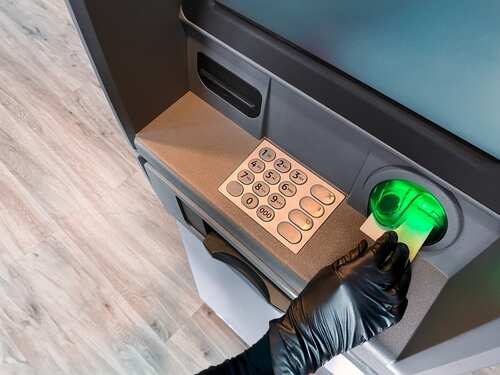
Card skimming is a longstanding threat to financial security, costing over $1 billion annually in the U.S. With the rise of EMV chip technology, criminals have shifted focus to deep-insert and overlay skimmers, particularly targeting EBT/SNAP cards. These cards, often mag-stripe based, are vulnerable to fraud, posing significant risks to low-income households relying on these benefits. This operation underscores the need for technological upgrades to secure these cards.
The Secret Service’s efforts are part of a national trend of increased detection and intervention. In Houston, similar operations have intercepted over 100 skimmers, preventing approximately $10 million in losses. These patterns of growing awareness and intervention highlight the ongoing battle against sophisticated skimming devices, often linked to transnational organized crime groups.
U.S. Secret Service Seized 16 Illegal Skimmers, Stopped $16M in Fraud
https://t.co/2DfJteMP7M— Townhall Updates (@TownhallUpdates) December 5, 2025
Broader Implications and Future Directions
Short-term impacts of Operation Mousetrap include substantial fraud prevention and heightened merchant vigilance. Long-term, it may deter or displace criminal activities. There is increasing pressure on state and federal agencies to adopt more secure technologies like chip-based cards to protect benefits. This modernization is essential to reduce skimming risks and protect vulnerable consumers.
Consumers, especially EBT recipients, remain the most affected by skimming, often facing food insecurity when benefits are stolen. Operations like Mousetrap directly protect these communities by reducing card compromise risks in high-use retail areas. For merchants, fewer fraudulent transactions mean reduced chargeback risks, though they continue to bear the burden of vigilance in detecting skimmers.
Sources:
U.S. Secret Service Seized 16 Illegal Skimmers, Stopped $16M in Fraud
Exclusive KPRC 2 Goes Inside U.S. Secret Service Investigation into Stolen SNAP Benefits Skimming