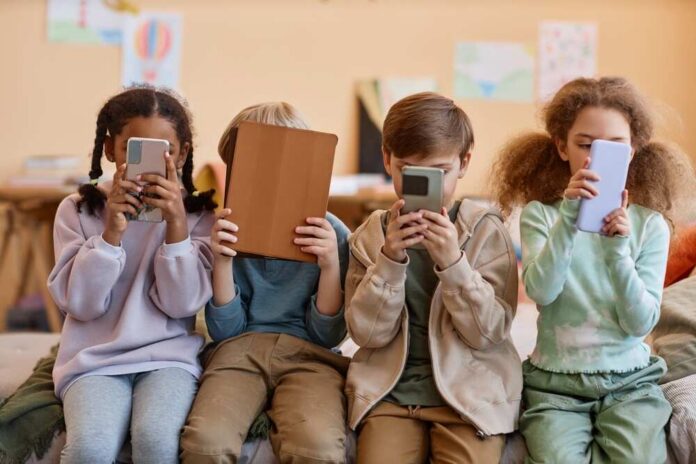
Malaysia has become the latest country to lock children under 16 out of mainstream social media, raising big questions about government control of speech, parental authority, and the future of free communication online.[4]
Story Snapshot
- Malaysia now bars anyone under 16 from opening social media accounts, forcing companies to verify users’ ages.[4]
- Officials justify the move as child protection, citing grooming, cyberbullying, and sexual exploitation.[3][4]
- Age checks rely on government identification systems, expanding data collection and state‑linked digital tracking.[2][3]
- The rules only bind the biggest platforms, pushing youth toward smaller, less regulated corners of the internet.[3][4]
Malaysia’s Blanket Ban: What The New Rules Actually Do
From June 1, Malaysia’s Online Safety Act requires major social media platforms to verify users’ ages and prohibits anyone under 16 from registering an account.[4] The Malaysian Communications and Multimedia Commission states plainly that “users below the age of 16 are not permitted to register for social media accounts,” and platforms must introduce age‑verification measures tied to government records. These rules apply to services with at least eight million users in Malaysia, capturing giants such as Facebook, Instagram, TikTok, and YouTube.[3]
Malaysia’s cabinet has already approved this bright‑line age rule, making the 16‑and‑over threshold a central feature of its online safety regime.[2] Legal analysis notes that the government expects platforms to use electronic “know your customer” checks, matching accounts against official identification like MyKad, passports, or the national MyDigital ID system.[2][3] Regulators are also demanding “stronger content governance,” requiring companies to adopt proactive tools for detecting harmful material and facing fines up to 10 million ringgit for non‑compliance.[4]
Government’s Justification: Child Protection And Online Harm
Malaysian officials frame the ban as a child‑protection measure, not a pure speech restriction.[3][4] The Online Safety Act places these age rules inside a wider framework that forces social media and messaging platforms to prevent, report, and remove content involving sexual abuse, financial fraud, harassment, and incitement to violence or terrorism.[3] Authorities point to rising cases of online grooming, sexual exploitation, scams, and cyberbullying, warning that the modern attention‑hacking design of social media is particularly dangerous for developing brains.[3][4]
Channel News Asia reporting says regulators want “age‑appropriate protections and restrictions for high‑risk features,” reflecting official concern about direct messaging, algorithmic recommendations, and viral challenges aimed at youth.[3][4] One government‑cited survey places Malaysia second in Asia for youth cyberbullying, adding emotional weight to calls for strict intervention.[3] Supporters stress that one in twenty‑five Malaysian children has experienced online sexual exploitation or abuse, arguing that voluntary platform tools and parental controls have failed to keep predators and harmful content away from minors.[3]
Verification, Surveillance, And Big‑Tech Compliance Challenges
The way Malaysia plans to enforce this ban should concern anyone wary of centralized digital tracking.[2][3] Authorities intend to rely on electronic identity checks using government‑issued documents, linking everyday social media use to official databases.[2][3] That approach promises more reliable age‑gating than simple “enter your birthday” prompts, but it also concentrates sensitive data in the hands of both governments and big technology companies, raising the stakes if systems are abused or breached.[2][3]
Malaysia has banned children under 16 from opening or maintaining social media accounts under its Online Safety Act. Platforms must implement age verification measures or face hefty penalties@karanbhatias
Read more : https://t.co/LOWh3s5fDZ
#Malaysia #SocialMedia #OnlineSafety pic.twitter.com/v3EXarupKq— brandcommunion (@brandcommunion) June 1, 2026
Regulators acknowledge that enforcement is technically and practically challenging, which is why Malaysia launched a regulatory sandbox to test verification tools with platforms before full rollout.[3][4] The codes are “outcome‑based,” giving companies flexibility on implementation, but service providers face serious penalties if they fail to stop under‑16 accounts.[4] Critics warn that dedicated teenagers may simply migrate to virtual private networks, foreign apps, or fringe forums that fall outside the eight‑million‑user threshold, reducing safety while evading oversight.[3]
Unintended Consequences: Free Speech, Family Authority, And A Two‑Tier Internet
Malaysia’s rules highlight a growing international trend: governments are shifting from education and parental tools toward hard bans and liability regimes, with social media access becoming a regulated privilege instead of a default freedom.[3] The Malaysian Communications and Multimedia Commission insists these measures are “not intended to prohibit child users from the internet or to deny them access to technology,” but rather to steer them away from mainstream social media toward supposedly safer spaces. That distinction matters on paper, yet it still hands the state a powerful lever over who can speak and assemble online.
Because the ban formally targets only the biggest platforms, it may unintentionally drive youth toward smaller, less transparent services where law enforcement visibility is weaker and community standards are looser.[3][4] Analysts also point out a serious evidence gap: there is little hard data proving that a total under‑16 ban is more effective than tighter design rules, focused enforcement against predators, and parental control tools.[3] For conservatives who value both family authority and limited government, Malaysia’s move is a warning sign of how quickly safety rhetoric can justify sweeping digital controls that, once built, are easy for any future government to repurpose against dissent, religious speech, or pro‑freedom activism.
Sources:
[2] Web – Malaysia requires social media age checks barring under-16 accounts
[3] YouTube – Why Malaysia Wants To Ban Social Media For Youths | Insight
[4] Web – Malaysia’s Proposed Social Media Ban for Children – Mayer Brown