A reality TV star’s shocking on-camera intervention exposes the dark underbelly of how the modeling industry may push young women toward dangerous drug abuse.
Story Highlights
- Brooks Nader’s sisters discovered a basket of needles and staged a televised intervention over her GLP-1 weight loss drug abuse
- The 28-year-old model admitted to increasing dosages before magazine shoots due to industry pressure
- Family found evidence of overprescription and multiple drug sources as Nader’s health deteriorated
- The intervention aired on “Love Thy Nader,” sparking national debate about pharmaceutical abuse in modeling
Family Discovers Alarming Drug Evidence
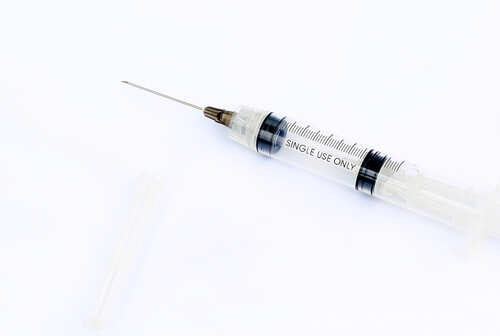
Brooks Nader’s sisters Grace Ann, Mary Holland, and Sarah Jane made a disturbing discovery that prompted immediate action. The family found a basket filled with injection needles and evidence that Brooks was obtaining GLP-1 weight loss drugs from multiple sources. The 28-year-old model had been exhibiting concerning symptoms including severe fatigue, persistent nausea, and nearly fainting during workouts. Her sisters documented these warning signs before staging their intervention, which was captured on their reality show “Love Thy Nader.”
Brooks Nader's sisters discover basket of needles, stage intervention over weight loss drug abuse https://t.co/Fst9qE2NiV
— Fox News Entertainment (@FoxNewsEnt) September 3, 2025
Television Intervention Exposes Industry Pressures
Episode 7 of “Love Thy Nader” aired the family’s real-time intervention, revealing Brooks’ admission that she had been abusing GLP-1 receptor agonists. She confessed to increasing her dosage ahead of major magazine shoots, citing relentless industry expectations for maintaining an unrealistic body standard. Brooks acknowledged her unhealthy relationship with weight and food, directly attributing it to modeling industry demands. Despite recognizing the problem, she resisted completely stopping the medication, demonstrating how deeply embedded these pressures have become in her career mindset.
Dangerous Normalization of Pharmaceutical Abuse
The case highlights a troubling trend where modeling agencies reportedly encourage weight loss drug use among their talent. GLP-1 drugs, originally developed for type 2 diabetes treatment, have become widely misused off-label for weight loss in fashion circles. Medical experts warn that unsupervised use can lead to malnutrition, severe dehydration, and psychological dependence. The normalization of pharmaceutical aids for weight loss reflects deeper systemic problems within an industry that prioritizes appearance over health, putting young women’s lives at risk for commercial success.
Broader Implications for Health and Industry Standards
This public intervention has sparked national conversations about the modeling industry’s toxic culture and the need for regulatory oversight. The incident demonstrates how family values and genuine concern can clash with an industry that profits from pushing dangerous standards. Brooks’ case serves as a wake-up call about the intersection of personal health crises and systemic industry pressures that undermine individual liberty and well-being. The story underscores the importance of family intervention when institutions fail to protect vulnerable individuals from harmful practices disguised as professional requirements.
While Brooks has not ceased GLP-1 use entirely, her family remains actively involved in monitoring her health and challenging industry expectations. The public nature of this intervention may catalyze broader policy changes and increased scrutiny of prescription practices within modeling and entertainment industries.
Sources:
Nader Sisters Shake Up Reality TV with New Show ‘Love Thy Nader’