
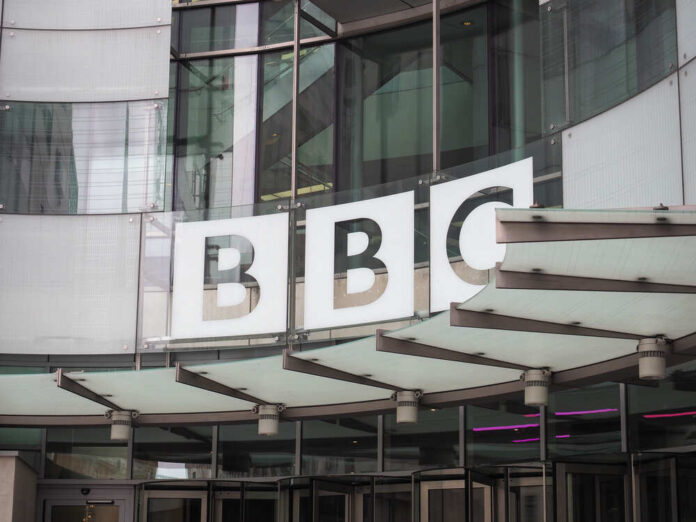
BBC’s recent documentary sanction has reignited debates on media ethics and accountability, highlighting the dangers of undisclosed affiliations.
Story Highlights
- The BBC documentary used a child narrator with undisclosed ties to Hamas, raising ethical concerns.
- The UK media watchdog sanctioned the BBC for a “materially misleading” portrayal.
- The incident has sparked discussions on media bias and the need for transparency in reporting.
- Potential long-term impact on BBC’s credibility and editorial standards.
BBC Documentary Under Scrutiny
The BBC’s documentary “Gaza: How To Survive A Warzone” has come under fire after a UK media watchdog sanctioned it for using a child narrator with undisclosed ties to Hamas. The narrator, presented as an unaffiliated civilian, was revealed to be the son of a Hamas official. This disclosure has raised significant concerns about media impartiality and manipulation of audience perceptions.
This revelation has not only embarrassed the broadcaster but also led to a formal sanction announced on October 17, 2025. The BBC’s acceptance of the sanction indicates acknowledgement of their oversight, but questions remain about its internal editorial processes and standards.
Watch: BBC Gaza Documentary: Ofcom’s ‘Materially Misleading’ Ruling Explained
Implications for Media and Public Trust
The regulatory action against the BBC highlights a broader issue of transparency and accountability in media reporting, especially concerning sensitive topics like the Israel-Gaza conflict. The BBC’s failure to disclose such a critical piece of information demonstrates a lapse in journalistic ethics that could erode public trust, particularly among those critical of perceived media biases.
For viewers, this incident serves as a reminder of the importance of scrutinizing media sources and understanding the potential biases that shape news narratives. The BBC, as a publicly funded entity, is particularly beholden to maintaining high standards of objectivity and transparency.
BBC Sanctioned Over "Materially Misleading" 'Gaza: How To Survive A Warzone' Film https://t.co/iuhsrhFB87
— Deadline (@DEADLINE) October 17, 2025
Potential Long-term Impacts
In the long term, this incident may lead to stricter editorial guidelines within the BBC and other media organizations regarding source verification and disclosure. The potential chilling effect on the use of local narrators in conflict zones could alter how stories are told and whose voices are heard.
As the debate over media bias continues, this case could serve as a pivotal example for regulators and broadcasters alike in enforcing and adhering to ethical standards. The incident underscores the necessity for vigilance in media practices to ensure that audiences receive unbiased and transparent reporting.
Sources:
France24, “BBC accepts sanction over ‘misleading’ Gaza documentary,” October 17, 2025.