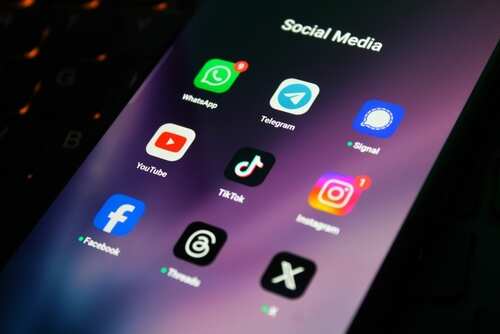
Trump’s Department of Homeland Security has proposed making social media disclosure mandatory for foreign tourists.
Story Highlights
- DHS proposes mandatory five-year social media history disclosure for all visa-waiver travelers from 40 countries
- New ESTA requirements would include expanded biometric collection including DNA and iris scans
- Policy follows Washington shooting by Afghan national, prompting calls for “maximum degree” vetting
- Tourism industry faces projected $12.5 billion revenue loss amid declining foreign visitor numbers
Trump Administration Demands Maximum Vetting
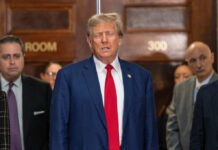
The Department of Homeland Security and Customs and Border Protection have formally published proposals requiring foreign visitors to provide comprehensive social media account information spanning five years. This dramatic expansion transforms the current voluntary disclosure system into a mandatory screening requirement affecting citizens from approximately 40 visa-waiver countries including the United Kingdom, Germany, Japan, and Australia. President Trump explicitly demanded that foreign visitors be “vetted and screened to the maximum degree possible,” directly linking enhanced digital surveillance to national security priorities.
Watch:
Comprehensive Data Collection Expansion
Beyond social media accounts, the proposed ESTA changes would require travelers to submit extensive contact information including email addresses, phone numbers, and detailed family data covering the same five-year period. CBP plans to expand biometric collection from current facial images and fingerprints to include DNA samples and iris scans as part of the pre-clearance process. These requirements represent a fundamental shift from ESTA’s traditional quick online authorization to an intensive data-gathering security tool affecting millions of annual travelers.
Security Incident Drives Policy Changes
The proposals follow a Washington shooting that killed two National Guard soldiers, where authorities identified the suspect as an Afghan citizen who entered the United States in 2021. Trump leveraged this incident to push for expanded travel bans covering approximately 30 countries and called for permanent suspension of migration from “all third world countries.” The State Department had already expanded social media screening for H-1B visa applicants, instructing them to make profiles public for government review, establishing precedent for the broader tourist surveillance program.
Trump ramps up tourist checks with plans for mandatory social media inspections | The Independent https://t.co/HqcL0i2HYd
— Bill Niven (@LegaciesofPast) December 10, 2025
Tourism Industry Faces Economic Impact
Data through May 2025 shows the United States on track to lose $12.5 billion in travel revenue, with foreign visitor spending projected to fall below $169 billion annually. Industry observers warn that mandatory social media inspections will accelerate tourist deterrence, particularly among travelers concerned about privacy violations or arbitrary entry denials. When questioned about tourism concerns, Trump dismissed economic impacts, stating the United States is “doing so well” and emphasizing that security considerations outweigh visitor revenue concerns.
The Federal Register notice opens a 60-day public comment period, though implementation appears likely given Trump’s strong support and DHS authority over border screening procedures. Reports indicate travelers have already faced entry denials based on social media content, including a French scientist rejected over messages deemed hostile toward Trump administration policies.
Sources:
US plans to introduce mandatory social media checks for visa-free travelers