

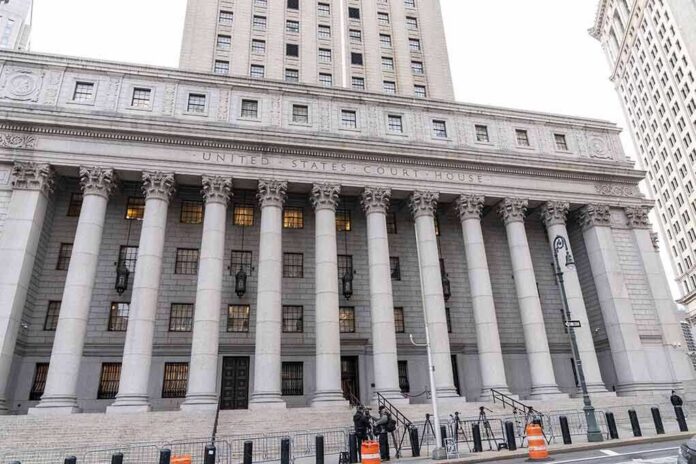
After a nationwide block briefly fell, left-leaning groups raced back to court to stop the Postal Service from rolling out President Trump’s mail-ballot integrity standards before November.
Story Snapshot
- A federal judge first blocked parts of the rule, then criticized USPS for posting the final rule while declining to halt it for now.
- Voting groups and blue-state attorneys general filed fresh challenges focused on the finalized rule’s voter-list and envelope standards.
- Plaintiffs claim the rule burdens election offices and risks disenfranchisement; USPS says it boosts tracking and fights fraud.
- The rule flows from President Trump’s order to standardize ballot tracking and Election Mail design nationwide.
What Sparked The New Court Fight
On August 11, a federal court granted a preliminary injunction that stopped the United States Postal Service from implementing part of President Trump’s election integrity order for 2026 voting. On August 21, the Postal Service posted a final rule that ties to that order, prompting sharp pushback. On August 25, the judge said the Postal Service violated her earlier order by issuing the rule, but she declined to block it at that time, keeping the legal fight alive ahead of November.
Voting-rights groups quickly updated their lawsuit to focus on the new, finalized rule and asked the court to block it before the midterm elections. State attorneys general from Democrat-led states launched related suits. They argue the rule is unconstitutional, clashes with federal laws, and interferes with states’ control of election administration. They also warn it would force rushed changes that local offices cannot complete on time without risking voter access.
What The Rule Would Actually Do
President Trump’s executive order directed the Postal Service to start rulemaking to secure mailed ballots, set uniform standards, and use a unique barcode to track ballot mail nationwide. The Congressional Research Service says the design standards would require the Election Mail logo, a unique barcode, a ballot-specific tracking code, and compatibility with automated processing, plus a Postal Service design review. These baseline steps aim to cut confusion and tighten the chain of custody across states that use very different envelopes.
The Postal Service and supporters say the rule would improve ballot tracking, assist law enforcement, and reduce fraud risk, while leaving voter eligibility decisions to the states. Reporting describes a new Postal Service portal where election offices would submit each mail voter’s name and address and link those records to the unique barcodes used on outbound and return ballot envelopes. The agency says it would not open ballot envelopes or log party data, but would keep exterior data to support auditing and investigations.
Why The Left Is Trying To Stop It
Plaintiffs say the Postal Service moved despite an injunction, and that the final rule itself would burden election offices and risk disenfranchisement if forced in before November. A coalition led by California’s attorney general calls the rule unlawful and outside the agency’s authority, claiming it intrudes on state control of elections and violates privacy and voting laws. Wisconsin’s filing argues the rule would compel states to build voter lists for a new federal database on an “impossible timeline”.
🚨 ELECTION INTEGRITY & TURNOUT UPDATE
📅 AUGUST 27, 2026🔔 Turn on notifications — this could directly affect voting procedures before the November 3 midterms.
A major legal fight over mail-in voting is back in federal court.
A coalition of 23 Democratic-led states,…
— Robin Tzi (@rdejay) August 27, 2026
Reuters reported the judge concluded the Postal Service violated her order by issuing the rule but chose not to pause it immediately, citing timing and posture, which underscores how close the calendar now is. That narrow, procedural call differs from a final ruling on legality. The record here does not include the full rule text, and courts have not decided the merits yet. Expect more filings on privacy, data security, and whether the agency has the power to set these standards before ballots move.
What It Means For Election Integrity And Voters
The core dispute is familiar: security versus speed. The Trump administration backs nationwide tracking and uniform envelopes to guard the vote and spot problems early. Plaintiffs say the timeline is too short and the data demands are too heavy for local offices already stretched for November. If courts allow the rule to proceed, states and counties may need to adjust envelope designs and submit voter lists to the Postal Service’s system. If courts block it, the status quo remains through Election Day.
Bottom Line For Readers
Ballot integrity standards should not swing with politics. Clear tracking, uniform design, and a reliable audit trail help honest voters and honest officials. The Postal Service says this rule delivers that, without touching who is eligible to vote, which stays with the states. The left’s lawsuits aim to slow or stop the changes for 2026. Courts will now decide whether stronger national guardrails can move forward in time, or wait until after the midterms.
Sources:
thegatewaypundit.com, aclu.org, cpr.org, axios.com, reuters.com, oag.ca.gov, abc7.com