
A controversial deportation order against a pro-Palestinian activist highlights the ongoing battle over free speech and national security.
Story Highlights
- Mahmoud Khalil, a pro-Palestinian activist, faces deportation under the Trump administration.
- Khalil’s activism at Columbia University led to accusations of Hamas alignment.
- A federal judge ordered his release, but an immigration judge approved deportation.
- The case underscores tensions between activism, national security, and free speech rights.
High-Profile Deportation Case: Mahmoud Khalil
Mahmoud Khalil, a former Columbia University graduate student, has become a focal point in a heated debate over immigration and activism. Arrested by Immigration and Customs Enforcement (ICE) on March 8, 2025, Khalil faces deportation proceedings initiated by the Trump administration. The allegations against Khalil include activities aligned with Hamas and accusations of posing a threat to U.S. foreign policy due to his leadership in pro-Palestinian protests at Columbia University.
A federal judge ordered Khalil’s release in June 2025, ruling that he was neither a flight risk nor a danger. However, despite this temporary reprieve, an immigration judge ruled in September 2025 that Khalil could be deported to Algeria or Syria over claims of misrepresenting his green card status. This decision has sparked widespread controversy, with critics arguing that it reflects an erosion of free speech rights for activists.
NEW: Mahmoud Khalil is now set to be deported to Algeria.pic.twitter.com/Ir9upgkX6i
— Resist the Mainstream (@ResisttheMS) January 22, 2026
The Role of Columbia University and CUAD
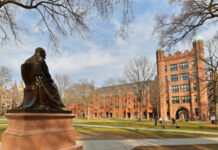
Columbia University became a center for pro-Palestinian protests following the October 7, 2023 Hamas attack on Israel. Khalil emerged as a leader of the Columbia University Apartheid Divest (CUAD) group, actively organizing rallies and negotiating during the April 2024 Gaza Solidarity Encampment. These protests demanded that the university divest from Israeli interests and grant amnesty to participants.
The events at Columbia, including building occupations and the discovery of weapons and antisemitic materials, have drawn scrutiny from federal authorities. The Trump administration, which campaigned on a platform to “crush” perceived antisemitic protests, views Khalil’s activities as a national security threat. This has raised questions about the balance between national security and the protection of free speech rights on college campuses.
Watch:
Implications for Free Speech and Activism
The case of Mahmoud Khalil has significant implications for both short-term and long-term activism in the United States. In the short term, the threat of deportation may deter other pro-Palestinian activists from engaging in similar protests. The case also tests the precedent of revoking green cards based on speech and activism. In the long term, the outcome could expand executive power over legal residents’ rights, influencing campus protest dynamics and potentially chilling free speech.
These developments have sparked debate among legal experts, with the American Civil Liberties Union framing Khalil’s case as a free speech violation and retaliation for his activism. On the other hand, groups like Canary Mission argue that Khalil’s actions align with Hamas, posing a security threat to the United States. As the situation unfolds, it will be crucial to monitor how this case influences future policies on free speech and national security.
Sources:
Canary Mission: Mahmoud Khalil
ABC News: Mahmoud Khalil’s First Broadcast Interview
Politico: Columbia Student Journalist Mahmoud Khalil