
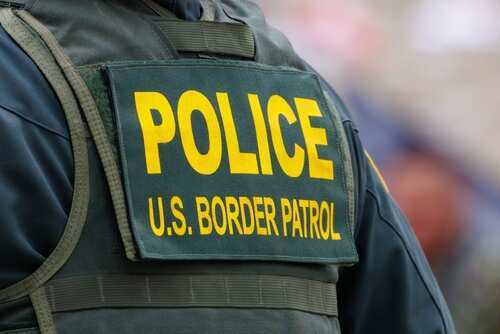
In a striking decision, a federal judge has found Border Patrol Chief Greg Bovino guilty of lying about an incident involving tear gas at the U.S.-Mexico border, leading to new restrictions on agents’ use of force.
Story Highlights
- The judge determined that Chief Bovino lied about being struck by a rock before deploying tear gas.
- New restrictions have been imposed on immigration agents’ use of force at the border.
- The ruling aims to protect journalists, clergy, and protesters, highlighting the need for accountability.
- This case underscores the ongoing tension between security enforcement and civil liberties.
Federal Judge’s Ruling and Its Implications
On November 6, 2025, a federal judge publicly declared that Border Patrol Chief Greg Bovino lied under oath, asserting he was hit by a rock before deploying tear gas during a border protest. The judge imposed new restrictions on federal agents, particularly concerning the use of force against nonviolent actors like journalists and clergy. This ruling represents a significant shift in judicial oversight, aiming to curb excessive force and uphold constitutional rights at the border.
The judicial findings came after a detailed investigation revealed inconsistencies in Bovino’s testimony. The decision raises questions about law enforcement credibility and resonates with broader concerns over border security tactics. This case has sparked debates over the balance between maintaining order and safeguarding civil liberties, especially as the Biden administration’s policies are being re-evaluated under President Trump’s leadership.
Watch; Judge: Border Patrol commander lied about use of force
Impact on Border Policies and Security
The ruling’s immediate effect is an operational change for Border Patrol agents, who must now adhere to stricter guidelines when engaging with nonviolent groups. This decision may also lead to broader reforms in use-of-force policies, potentially influencing other federal and local law enforcement agencies. The changes highlight the importance of accountability and transparency in law enforcement practices.
In the short term, the ruling may increase scrutiny of agent conduct at the border, potentially affecting morale and operational procedures. In the long term, it sets a precedent for judicial intervention in cases of alleged misconduct, potentially reshaping the landscape of border enforcement. The decision is seen as a victory for advocacy groups that have long criticized aggressive tactics against peaceful demonstrators.
Future Directions and Legal Implications
As legal and policy discussions continue, the ruling by Judge Ellis underscores the judiciary’s role in checking executive power. This case is likely to be referenced in future debates over border security and civil liberties, as it emphasizes the need for lawful conduct and the protection of constitutional rights. The implications of this decision extend beyond the border, potentially influencing national conversations on law enforcement accountability.
While some law enforcement representatives argue that such restrictions may hinder operational flexibility, advocacy groups and media organizations support the ruling as a necessary protection against overreach. This case highlights the ongoing struggle to balance security and liberty, a core concern for conservative audiences who value individual rights and limited government intervention.
Sources: