
Antarctica’s ice sheets are collapsing at an accelerating rate, potentially unleashing catastrophic global consequences within decades rather than centuries.
Story Snapshot
- Antarctic ice collapse may be irreversible, threatening catastrophic sea level rise
- Melting ice shelves are disrupting critical ocean circulation patterns worldwide
- Climate stability and marine ecosystems face unprecedented disruption
- Timeline for global consequences has shortened from centuries to decades
The Tipping Point Has Been Crossed
Scientists studying Antarctica’s ice dynamics have discovered alarming evidence that the continent’s massive ice sheets are experiencing abrupt, accelerating changes. These shifts represent more than gradual melting—they indicate fundamental structural collapses that could continue even if global warming stopped tomorrow. The West Antarctic Ice Sheet, containing enough water to raise global sea levels by several meters, shows signs of unstoppable retreat.
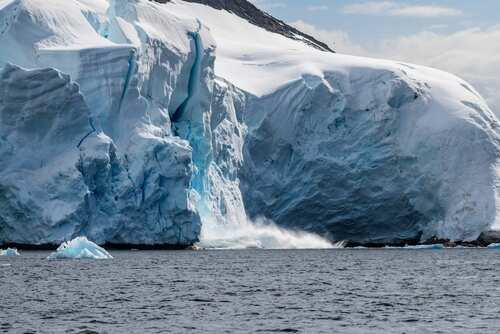
Research teams monitoring ice shelf stability have documented rapid disintegration of key formations that act as natural barriers. When these ice shelves collapse, they remove critical backstops that slow the flow of land-based glaciers into the ocean. Without these protective barriers, massive glaciers accelerate their march toward the sea, dramatically increasing the rate of ice loss and subsequent sea level rise.
Watch: Mind-Blowing Antarctica Collapse: You Won’t Believe This! – YouTube
Ocean Circulation Under Threat
The influx of fresh meltwater from Antarctica is disrupting the delicate balance of global ocean circulation systems. These currents, which regulate weather patterns and distribute heat around the planet, depend on precise salinity and temperature gradients. As billions of tons of fresh water pour into the Southern Ocean, they dilute the saltwater and alter the density differences that drive these critical currents.
This disruption extends far beyond Antarctica’s immediate vicinity. The Antarctic Circumpolar Current, the world’s strongest ocean current, plays a crucial role in connecting the Atlantic, Pacific, and Indian Oceans. Changes to this system could trigger a cascade of effects, potentially altering weather patterns across continents and affecting everything from monsoon seasons to hurricane intensity.
Antarctica’s collapse may already be unstoppable, scientists warn | ScienceDaily https://t.co/Lad2XA0hBP
— Marion Kraske (@KraskeMarion) November 6, 2025
Ecosystem Collapse Accelerating
Marine ecosystems throughout the Southern Ocean are experiencing unprecedented stress as their foundational environment transforms rapidly. Species adapted to cold, nutrient-rich Antarctic waters face habitat loss as temperatures rise and ice coverage diminishes. Penguin colonies, dependent on sea ice for breeding and feeding, are declining as their traditional habitats disappear.
The ripple effects extend through the entire food web. Krill populations, which form the base of the Antarctic food chain, are struggling to adapt to changing ice conditions and ocean chemistry. These tiny crustaceans support not only local wildlife but also massive whale populations and commercial fisheries. Their decline threatens to collapse entire marine ecosystems and eliminate critical protein sources for millions of people worldwide.
Global Consequences Accelerating
Coastal communities around the world now face a compressed timeline for adaptation as sea level projections shift from gradual century-long increases to potentially rapid multi-meter rises within decades. Low-lying island nations and major coastal cities from Miami to Mumbai must now plan for scenarios previously considered distant future possibilities.
Agricultural regions may experience dramatic shifts in precipitation patterns, threatening food security for billions. The scale and speed of these changes challenge humanity’s ability to adapt through traditional gradual responses, demanding immediate and unprecedented global coordination.
Sources: