

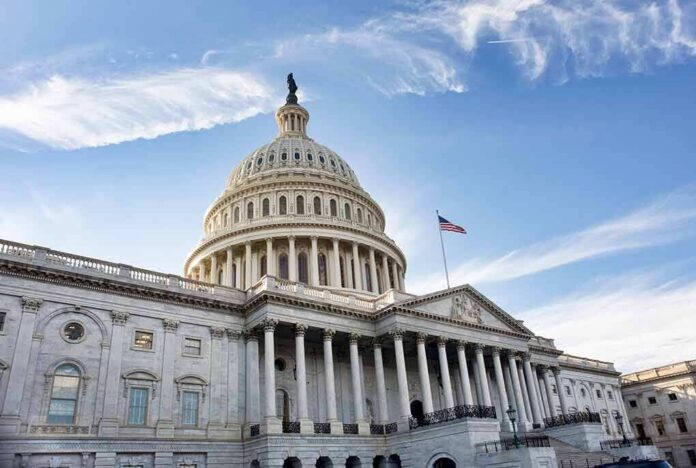
House leaders shut down session early as Rep. Thomas Massie moved to impeach Defense Secretary Pete Hegseth over alleged unlawful wars.
Story Snapshot
- Rep. Thomas Massie filed eight impeachment articles against Defense Secretary Pete Hegseth over alleged illegal hostilities.
- House leadership ended session early, delaying a possible vote on impeachment until after elections.
- Massie’s filings cite alleged violations of the Constitution and the War Powers Resolution tied to Iran, Yemen, and Venezuela.
- Speaker Mike Johnson dismissed the effort as a stunt and warned against “playing games” with national security.
Massie’s Impeachment Push Targets War Powers and Constitutional Limits
Rep. Thomas Massie filed eight articles of impeachment against Defense Secretary Pete Hegseth, alleging unlawful military actions and violations of the Constitution and the War Powers Resolution. Massie’s resolution centers on hostilities against Iran without explicit authorization from Congress, which he argues rises to “high crimes and misdemeanors.” Major outlets and the official resolution text confirm the filing and its Iran focus, with additional claims tied to Yemen and Venezuela included in the package.
Massie’s office summarized charges that include waging war in Iran without authorization, directing an “Unlawful War in Yemen,” and involvement in an operation tied to former Venezuelan leader Nicolás Maduro. The materials describe actions “lacking lawful authority” and in direct conflict with constitutional and statutory limits on war. Massie has said he weighed the step for months before moving ahead, framing it as a defense of Congress’s sole power to declare war.
House Leadership Moves to Delay: Session Ends Early, Vote Pushed Back
House Speaker Mike Johnson ended the House’s pre-election session early, canceling planned votes and delaying a potential vote on Massie’s impeachment resolution. Reporting on the floor schedule shows the early adjournment stopped the expected action that week and pushed consideration to a later date. Johnson called the impeachment drive a publicity stunt and argued the House should not be “playing games with national security” as conflicts continue abroad.
Procedurally, impeachment resolutions can be privileged on the floor, but leadership can still control timing through recesses and scheduling moves. That recurring tug-of-war often decides whether a measure gets a quick up-or-down vote or stalls. Here, leadership’s early recess paused Massie’s gambit, preserving floor control and avoiding an internal Republican split before elections, while leaving the constitutional dispute unresolved for now.
What It Means for Conservatives: War Powers, Accountability, and Costs
The core fight is about who decides when America goes to war and how long it stays there. Massie says the Pentagon cannot launch or extend hostilities without a clear, timely green light from Congress. His filings reflect concerns familiar to many conservatives: prevent endless wars, protect the Constitution’s checks and balances, and demand real accountability when leaders stretch the law. The resolution’s claims about Iran, Yemen, and Venezuela bring those principles into sharp focus.
🚨Massie’s lame-duck impeachment of Hegseth is a War Powers stunt, not a constitutional case.
Massie lost his primary to a Trump-backed challenger Hegseth endorsed. He filed a privileged resolution with no notice to force a two-day clock on the eve of recess. That is a…
— MAGA ME us (@MyHandleNo) September 17, 2026
Fiscal and strategic costs also loom large. Wars without defined authorization can bleed budgets, risk troops, and distract from border security and urgent domestic needs. Supporters of delaying a vote say national security comes first; critics counter that consistent rules and open votes make America stronger, not weaker. The House will face this question again when members return: will Congress reassert its war powers or keep letting the Executive Branch lead by default?
Sources:
mediaite.com, yahoo.com, insidedefense.com, wtop.com, abcnews.com, usatoday.com, pbs.org