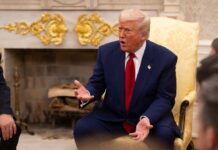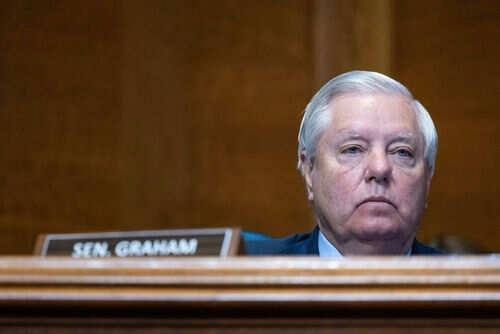
A Fox News interview turned into a blunt warning sign for Republicans: war abroad and a shutdown at home can collide fast with voter patience.
Quick Take
- Bret Baier pressed Sen. Lindsey Graham on whether President Trump’s Iran war and an ICE-funding shutdown are hurting GOP midterm odds.
- Graham defended both moves as necessary for national security and border enforcement, not political theater.
- Iran’s reported retaliation included attacks on U.S. bases and closure of the Strait of Hormuz, a key artery for global oil.
- Election math looks tight: one handicap cited says Republicans would need to win an unusually high share of toss-up House races to keep control.
Baier’s Question Exposes a Midterm Pressure Point
Bret Baier used Fox News’ Special Report to ask what many Republican strategists won’t say on-camera: whether President Donald Trump’s decision to launch a war with Iran on February 28—combined with a partial government shutdown tied to Immigration and Customs Enforcement (ICE) funding—could be dragging down GOP midterm prospects. The exchange matters because it frames the political risk in plain terms: voters may judge outcomes, not intentions, especially when daily costs rise.
Sen. Lindsey Graham’s answer was consistent with his long-standing posture as a Trump ally and a foreign-policy hawk. Graham argued the Iran conflict is about preventing a dangerous regime from obtaining nuclear weapons and suggested Republicans should not let electoral anxiety override national-security priorities. On immigration, he framed ICE funding as a basic enforcement function and blamed prior policies for creating a border mess that now requires a cleanup approach.
Iran Retaliation and Oil Chokepoints Raise the Stakes
The reporting around the interview describes Iran responding by attacking U.S. bases and closing the Strait of Hormuz, which is often described as a corridor for roughly 20% of global oil flows. If that chokepoint is disrupted, energy markets typically react quickly, and higher fuel costs can ripple through the economy—transport, food, and consumer prices. That dynamic is politically toxic in any cycle, but especially when households already feel squeezed.
The same storyline also describes Trump’s approval rating declining steadily before the Iran war and then falling faster afterward. That detail is important because it suggests the political environment was already soft before the conflict and shutdown escalated. Even when conservatives agree with the goals—deterrence abroad and enforcement at the border—public tolerance can erode when uncertainty grows. In modern politics, approval drops often become a proxy for whether swing voters feel stability or chaos.
The ICE Shutdown Fight Highlights a Larger Trust Problem
The partial shutdown over ICE funding is being treated as a major test of Washington’s ability to do basics: fund lawful enforcement and keep government running. Graham’s argument centers on the idea that immigration enforcement was undermined for years and that restoring it requires hard deadlines and clear choices. Critics of shutdown tactics counter that governance should not regularly hinge on brinkmanship. Either way, the public typically hears “shutdown” and thinks dysfunction.
For conservatives, the underlying issue is whether the federal government will enforce laws already on the books, particularly at the border, without endless bureaucratic delay. For liberals, the concern is often about humanitarian impacts and perceived overreach. The shared frustration—rarely acknowledged in cable-news shouting matches—is that many Americans suspect elected officials prioritize optics and reelection over durable solutions. This interview exchange gained traction precisely because it put that governing failure in electoral terms.
Republican Control Doesn’t Eliminate Political Gravity
One data point cited alongside the Baier-Graham exchange comes from the Cook Political Report’s framing of the House battlefield: with a narrow majority, Republicans may need to win about 76% of toss-up races to keep control. That kind of requirement makes every controversy more consequential because there is less room for error. It also explains why Baier’s question landed; it wasn’t a philosophical debate, but a reminder that margins can turn on a handful of districts.
Bret Baier Asks Lindsey Graham if Trump Is 'Hurting Reelection Chances for Republicans' https://t.co/jyCuPnhJqe
— Mediaite (@Mediaite) April 11, 2026
Graham’s broader record shows he sometimes urges Trump to think tactically about party outcomes, including cautioning against endorsements that could weaken general-election nominees. That tension—policy-first instincts versus election-first strategy—sits at the heart of the current moment. The open question is not whether Republicans can defend their choices on Iran and ICE, but whether voters see competence, restraint, and measurable results. With war, energy, immigration, and budgets colliding, the demand for credible governance only intensifies.
Sources:
Bret Baier Asks Lindsey Graham if Trump Is ‘Hurting Reelection Chances for Republicans’
Lindsey Graham: Trump shouldn’t issue endorsements in GOP Senate primaries
Lindsey Graham on Biden, Afghanistan and 2022 midterms