
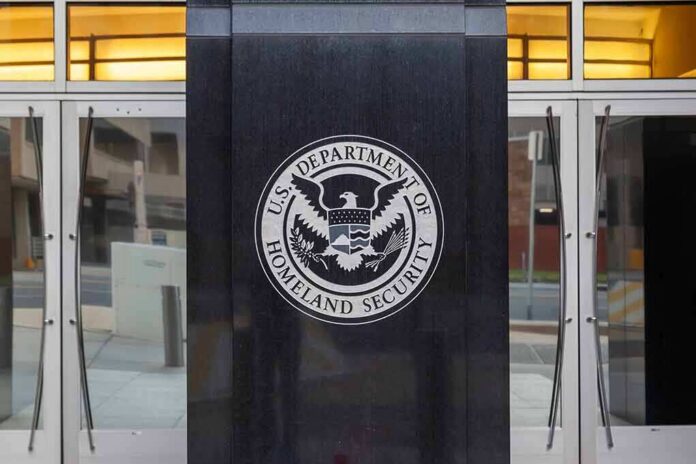
President Trump publicly backed Homeland Security Secretary Markwayne Mullin after Mullin flew to the LSU–Texas game less than a day after a nationwide aviation shutdown snarled travelers, keeping the focus on fixing systems while critics harp on optics.
Story Highlights
- Trump stood by Mullin amid criticism over the LSU trip and outage response.
- Mullin flew after the ground stop ended but while disruptions lingered.
- FAA leaders accepted blame for a router-related failure; no cyberattack found so far.
- Mullin said he reimbursed the government and aimed to reassure flyers.
What Sparked The Uproar: A Trip After A Turbulent Day
Reporters said a nationwide aviation halt on Friday night grounded flights and stranded travelers. Less than 24 hours later, Homeland Security Secretary Markwayne Mullin flew on a government plane to Baton Rouge for the LSU–Texas game. The New York Times and other outlets noted the trip’s timing as passengers still faced delays and rebookings. The Detroit Free Press placed the flight on November 14 and described lingering disruption in airports nationwide.
Mullin told lawmakers he traveled only after the ground stop ended and airspace reopened. He said skipping the trip might have deepened public worry and “distrust” about flying. He also said he met with Louisiana’s governor and wanted to show that flying was safe. He stated he was required to use government aircraft and that he reimbursed costs and paid for game tickets. He framed the choice as reassurance, not recreation.
What We Know About The Outage And Responsibility
Coverage of the outage pointed to a network problem tied to a router at an Arkansas facility, according to officials who testified and briefed Congress. The Federal Aviation Administration administrator told lawmakers to “blame me,” accepting responsibility for the ground stop’s decision and response. Investigators and public briefings reported no evidence of a cyberattack at that stage. That account matched Mullin’s public statements denying a hack so far.
Officials said the system failure paused flights nationwide to protect safety, then resumed operations in phases. Mullin testified that more than 4,000 planes were grounded and landed without a safety incident during the disruption response. He added that agencies worked to support affected travelers and keep medicine shipments moving. His remarks stressed safety first and said the public was not in danger during the outage.
Optics Versus Outcomes: The Real Political Fight
Critics argue the trip looked tone-deaf while families slept on airport floors and missed events. They see a senior official in a luxury suite amid chaos. Supporters counter that the ground stop had lifted, leaders had accepted accountability, and the system was stabilizing. They argue showing confidence in air travel matters after a crisis. The evidence so far does not show the trip delayed restoration or diverted resources from aviation recovery operations.
NEW: DHS confirms to @FoxNews that after a tip from the FBI, ICE has arrested a Venezuelan illegal alien visa overstay in Provo, UT, who they allege was soliciting/encouraging the assassination of President Trump by distributing writings that included "Shoot Trump…be a… pic.twitter.com/vqBCMzR4rD
— Bill Melugin (@BillMelugin_) November 23, 2026
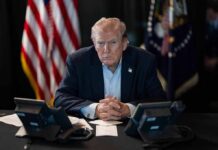
President Trump’s support narrowed the political risk for Mullin and kept attention on fixing broken systems instead of fueling a media pile-on. The president praised Mullin while Washington debated optics. That stance matters for conservatives who want performance over theater. The outage came from technical failure, not a proven hack, while the Federal Aviation Administration took ownership. The policy lesson points to infrastructure hardening and clear communication, not partisan spectacle.
What Still Needs Answers So Taxpayers Win
Americans deserve full records on travel rules, reimbursements, and the meeting purpose in Baton Rouge. Agencies should release authorizations, receipts, and any inspector general reviews to close questions about costs and compliance. The Federal Aviation Administration should publish a full after-action report on the router failure, timelines, and safeguards to prevent repeat problems. Clear facts protect both the flying public and responsible officials who follow the rules under stress.
Bottom Line For Readers Who Expect Results
The timing of Mullin’s LSU trip fed an optics storm. The established facts show he flew after the halt ended, the Federal Aviation Administration accepted blame for the call, and no cyberattack evidence has surfaced so far. President Trump backed his secretary and kept the focus on safety and resiliency. The right test now is delivery: fix the network weak points, document the travel compliance, and keep flyers safe without drama or delay.
Sources:
nypost.com, nytimes.com, apnews.com, abcnews.com, deseret.com, us.cnn.com, fresnobee.com