

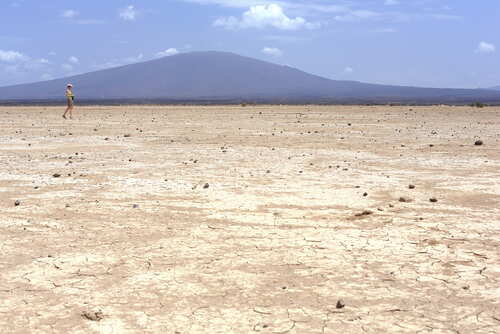
A massive volcanic eruption in Ethiopia has disrupted international air travel and threatens local communities after lying dormant for 12,000 years.
Story Highlights
- Hayli Gubbi volcano erupts for first time in recorded history, creating transnational ash cloud
- Major flight cancellations hit India as volcanic ash spreads across multiple countries
- Ethiopian pastoralist communities face immediate threats to livestock and agricultural livelihoods
- Scientists caught off-guard by explosive eruption despite only detecting low-level activity
Unprecedented Eruption Catches Experts Off-Guard
The Hayli Gubbi volcano in Ethiopia’s Afar region exploded into life on November 25, 2025, marking its first eruption in recorded history. Geological evidence suggests the volcano last erupted approximately 12,000 years ago, making this event extraordinarily rare. Volcanologists expressed surprise at the eruption’s explosive nature, having detected only minimal volcanic activity in the region prior to the event. The unexpected scale demonstrates how even modern monitoring systems can fail to predict natural disasters.
Located in the tectonically active East African Rift, the Afar region has experienced increased volcanic instability throughout 2025. A nearby volcano named Ali erupted in July 2025, potentially contributing to regional geological pressures. The area’s sparse population consists primarily of pastoralist communities who depend on grazing land for their livestock. This remote location initially masked the eruption’s severity, but its international impact quickly became apparent as ash clouds crossed borders.
Watch:
International Air Travel Faces Major Disruptions
The volcanic ash plume traveled across the Red Sea within 24 hours, reaching Yemen, Oman, Pakistan, and India by November 26. Indian aviation authorities reported significant flight cancellations and delays as the ash cloud posed serious safety risks to aircraft engines. The Indian Meteorological Department issued aviation alerts and expects conditions to normalize as the ash plume continues drifting eastward toward China. This disruption highlights America’s vulnerability to global supply chain interruptions from natural disasters abroad.
Ethiopian volcano erupts for first time in 12,000 years, sending ash clo… https://t.co/mQEtzL3L45 via @YouTube
— James (@JTDH) November 26, 2025
International aviation authorities, including the International Civil Aviation Organization, coordinated emergency airspace management protocols across multiple countries. Airlines faced substantial operational and financial challenges as they rerouted flights and canceled services throughout the affected regions. The economic ripple effects extend beyond aviation, impacting tourism, cargo transport, and business travel across South Asia and the Middle East. Such disruptions underscore the interconnected nature of global commerce that American businesses increasingly depend upon.
Local Communities Bear Immediate Consequences
Ethiopian villagers near Hayli Gubbi found their communities blanketed in volcanic ash, creating immediate health and economic concerns. Local pastoralist families face potential livestock losses as volcanic ash contaminates grazing areas and water sources. While no casualties have been reported, the long-term impact on agriculture and animal husbandry could devastate these rural communities’ traditional way of life. The Ethiopian Disaster Risk Management Commission has initiated emergency response efforts, but resource limitations challenge comprehensive aid delivery.
The economic implications extend beyond immediate livestock concerns to encompass entire regional food systems. Ethiopian authorities face mounting pressure to coordinate international assistance while managing domestic disaster response capabilities. This situation demonstrates how natural disasters disproportionately impact vulnerable populations with limited resources and government support systems.
Sources: