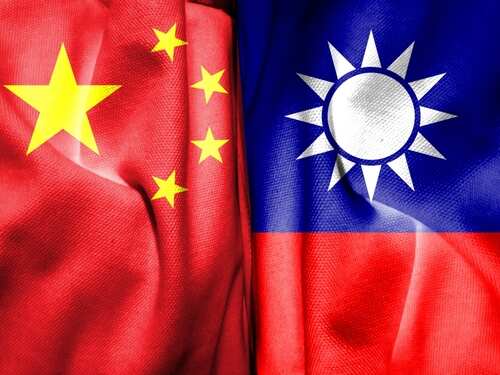
China’s latest naval maneuvers are raising eyebrows and concerns alike as they pose a significant challenge to regional stability and U.S. interests.
Story Highlights
- China’s Fujian warship nears Taiwan, escalating regional tensions.
- The U.S. and Japan conduct joint military drills in response.
- Observers worry about potential threats to global trade routes.
China’s Naval Expansion Near Taiwan
China’s Fujian warship has recently sailed near Taiwan, a move that has sparked concerns among global powers. The deployment of this advanced aircraft carrier represents a bold statement from China regarding its military capabilities and territorial ambitions. The Fujian is equipped with cutting-edge technology, including electromagnetic catapults, making it a formidable asset in China’s naval arsenal. This action is perceived as a direct challenge to Taiwan’s sovereignty and regional stability, particularly concerning its proximity to key international shipping lanes.
In response, the United States and Japan have commenced joint military exercises in the Indo-Pacific region. These drills are seen as a strategic countermeasure to China’s increasing militarization in the area. The exercises involve a range of military assets, highlighting the two countries’ commitment to maintaining regional peace and security. The U.S. and Japan aim to demonstrate their military readiness and resolve in the face of potential threats to the status quo in the Asia-Pacific.
Watch: China’s Fujian Warship Near Taiwan as Japan, US Troops Launch Indo-Pacific Drills | Spotlight | N18G
Implications for Global Trade and Security
The presence of China’s Fujian warship in these contested waters raises concerns about potential disruptions to global trade routes. The Taiwan Strait is a vital corridor for international commerce, and any escalation in military tensions could jeopardize the free flow of goods. Economists and security analysts warn that any conflict in this region could have far-reaching economic implications, affecting markets and supply chains worldwide. The current situation underscores the importance of diplomatic engagement and dialogue in resolving disputes peacefully.
Moreover, there is a growing apprehension among nations about the broader implications of China’s military expansion. The U.S. and its allies are wary of China’s intentions, particularly regarding its strategic goals in the Indo-Pacific. As China continues to enhance its naval capabilities, neighboring countries are reassessing their security policies and alliances. The current dynamics suggest a shifting balance of power in the region, necessitating careful navigation to prevent misunderstandings and maintain stability.
Strategic Responses and Future Outlook
The strategic maneuvers by China, coupled with the U.S. and Japan’s military exercises, highlight the complex geopolitical landscape in the Indo-Pacific. These developments require a nuanced understanding of national interests, alliances, and the potential for conflict escalation. As countries monitor the situation closely, there is a call for increased diplomatic efforts to foster dialogue and build trust among regional powers. The future of Asia-Pacific security depends significantly on how these nations manage tensions and collaborate on shared challenges.
As the world watches these events unfold, it becomes increasingly clear that maintaining a balance of power in the Indo-Pacific is crucial for global stability. The international community must remain vigilant and proactive in addressing security concerns while promoting peaceful coexistence and mutual respect among nations.
Sources: