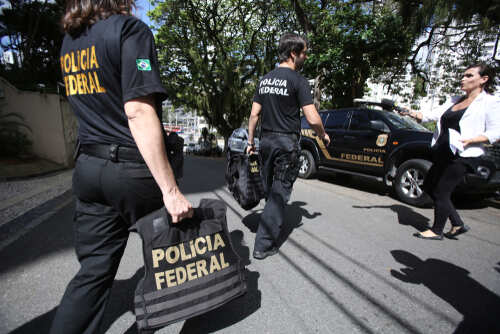
A large-scale police raid in Rio de Janeiro resulted in unprecedented casualties, raising serious concerns about human rights violations.
Story Highlights
- A massive police operation leaves at least 132 dead in Rio de Janeiro’s favelas.
- Use of military-grade tactics draws international condemnation and calls for investigation.
- Allegations of extrajudicial killings spark outrage among human rights groups.
- The Brazilian government claims ignorance, distancing itself from the operation.
Historic Raid Unfolds in Rio’s Favelas
On October 28, 2025, Rio de Janeiro became the backdrop for the deadliest police operation in Brazil’s history, leaving at least 132 individuals dead. The operation targeted notorious organized crime gangs entrenched within the city’s favelas. Thousands of heavily armed police officers, supported by armored vehicles, helicopters, and drones, descended upon the area, creating a scene reminiscent of a war zone. The chaos that ensued led to widespread destruction and allegations of extrajudicial killings, casting a dark shadow over the city’s law enforcement practices.
Watch a report:
The use of advanced military equipment in the operation has drawn sharp criticism from international human rights organizations and the United Nations. Condemnation has been swift and severe, with calls for an immediate and thorough investigation into the conduct of the police. The operation’s unprecedented scale and death toll have raised questions about the proportionality and necessity of such force, especially in densely populated urban areas where civilian casualties are almost inevitable.
📸 Aftermath of Brazil’s deadliest-ever police raid, Operation Containment that targeted Rio’s Alemão and Penha favelas.
At least 132 dead (128 suspects, 4 police). pic.twitter.com/8cFVCHqThL
— Clash Report (@clashreport) October 29, 2025
Government’s Response and International Outcry
Brazilian President Lula expressed shock at the operation’s death toll, claiming that the federal government had no prior knowledge of the raid. This statement has sparked debate over the communication and coordination between state and federal authorities. Rio de Janeiro’s Governor Cláudio Castro, however, defended the operation as a necessary measure to combat rampant organized crime in the region. He labeled the operation a success, despite the tragically high number of casualties.
The international community’s reaction has been one of grave concern. The UN Secretary-General issued a statement calling for a comprehensive investigation into the events, emphasizing the need for accountability in light of the serious allegations of human rights abuses. Human rights organizations have echoed these sentiments, demanding transparency and justice for the victims of the operation.
Implications for Brazil’s Law Enforcement Practices
The aftermath of this raid could have far-reaching implications for Brazil’s approach to law enforcement and its international standing. The operation has highlighted systemic issues within Rio’s police force and the broader criminal justice system, prompting discussions on the need for reform. Increased scrutiny from international bodies may lead to calls for changes in how police operations are conducted, particularly in vulnerable communities like the favelas.
As investigations continue, the focus will likely remain on ensuring accountability and preventing future tragedies of this magnitude. The challenge for Brazil will be balancing the need for effective crime control with the imperative to uphold human rights and protect civilian lives.
Sources: