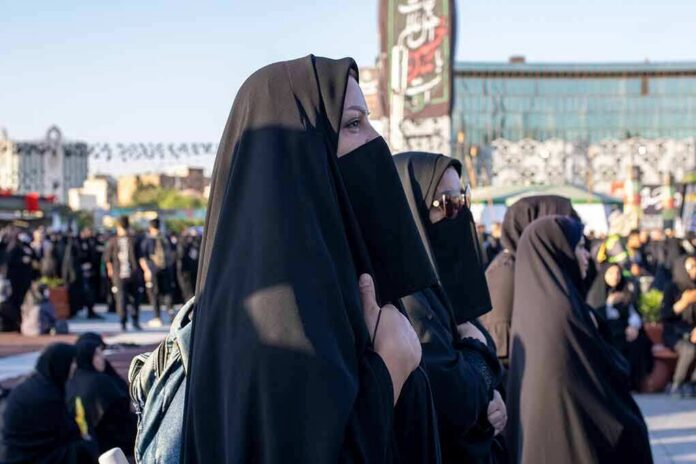
In Kabul, teen girls study in a hidden basement and hand CBS their pleas for help, defying a Taliban ban on their education.
Story Snapshot
- CBS gained rare access to a secret Kabul classroom for teen girls studying despite a Taliban ban.
- Students gave CBS handwritten “letters to the world,” asking people to read and share their message.
- Reports confirm the Taliban blocks girls from schooling beyond sixth grade, driving secret classes.
- Other outlets have documented similar underground schools across Kabul and beyond for years.
CBS Access to a Secret Kabul Classroom
CBS News reported from a basement classroom in Kabul where teen girls gather to learn even though Taliban rulers bar education for girls past sixth grade. The crew received rare access and spoke with students and teachers who continue lessons in secret to avoid the regime’s rules. The report centers on the girls’ own words and shows how a simple room, a whiteboard, and notebooks keep hope alive. The setting underscores the personal risk and the daily courage on display.
Students gave CBS a set of handwritten “letters to the world,” asking people everywhere to read their words and remember them. CBS published the project and framed it around the girls’ direct appeal to outsiders. This first-person approach cuts through politics and puts their voices first. It also highlights how they see education as a God-given right, not a favor from rulers. Their letters convey fear, grit, and a clear demand: let girls learn.
The Ban and Its Real-World Impact on Girls
CBS also reiterated that the Taliban blocks secondary schooling for girls, which means most teens cannot enter a normal classroom. Educators now run hidden schools to keep basic and advanced lessons going despite the risk. This is not an isolated case. A separate report from Canada’s national broadcaster described a Kabul class of dozens of girls meeting in secret to learn and cope with stress caused by the ban. These accounts align on the policy and on the response by brave families and teachers.
Other reporting describes networks of clandestine schools across Afghanistan. These programs operate in homes and small rooms, with women teachers leading lessons and students arriving quietly to avoid notice. The wider pattern shows a coping system that has grown since the Taliban returned to power. It is a civil response to a government order that denies girls a normal path to progress. The scale varies, but the mission is the same: keep learning alive until formal doors reopen.
Taliban Messaging and the Girls’ Answer
A Taliban spokesman told a regional outlet that the current halt is a “suspension” of a certain schooling system and not a denial of a fundamental right. That claim attempts to soften the effect of a ban that keeps teens out of class. The lived reality in Kabul’s basements says otherwise. Teachers now hide their work. Girls keep their books out of sight. Families manage risk every day so their daughters can study math, languages, and science like their brothers do.
The letters handed to CBS challenge that spin with plain truth from the students themselves. They describe what it feels like to be told to stop learning, and what it takes to continue. Their words reject the idea that liberty is a gift from rulers. They show how parents and volunteers hold a line for dignity. The letters invite the world to see both the cost and the courage. They also remind us that literacy and reason are the first tools of freedom.
Why This Matters to American Readers
Americans who value faith, family, and the Constitution know that free people need education to defend their rights. These girls are not asking for special treatment. They want the same chance boys get: to study, to think, and to serve their country. When a regime blocks girls from school, it crushes opportunity, weakens families, and fuels despair. Underground schools push back with discipline and hope. That is what ordered liberty looks like under pressure.
🚨 21 AFGHAN GIRLS SEND “LETTERS TO THE WORLD” FROM SECRET UNDERGROUND SCHOOL
1/2
Twenty-one Afghan girls studying in secret under Taliban rule handed CBS News correspondent Imtiaz Tyab handwritten “Letters to the World.”Risking arrest simply to continue their education, they… pic.twitter.com/VdO7wzENBL
— Mossad Commentary (@MOSSADil) September 14, 2026
President Trump’s administration faces a hard reality: a hostile regime rules Kabul and keeps girls out of class. The White House and Congress can press for change with targeted pressure, support for independent media, and help for groups that advance basic schooling. America cannot fix everything abroad, but it can stand with those who stand for truth. Reading and sharing these letters is one small way to do that. So is refusing to look away.
Sources:
cbsnews.com, tv2.no, cbs.com, cbc.ca