
A Kentucky driver blew 0.00, passed every sobriety test, and still spent the night in jail for DUI, raising hard questions about probable cause and due process.
Story Highlights
- Body-camera reviews and a 0.00 breath test preceded prosecutors dismissing the DUI months later.
- Reports say the officer claimed impairment despite test results and his own shifting justification.
- Field sobriety tests can trap sober drivers, experts say, underscoring the need for objective evidence.
- Kentucky policy requires probable cause based on specific facts known at the time of arrest.
What Happened In Grayson, Kentucky
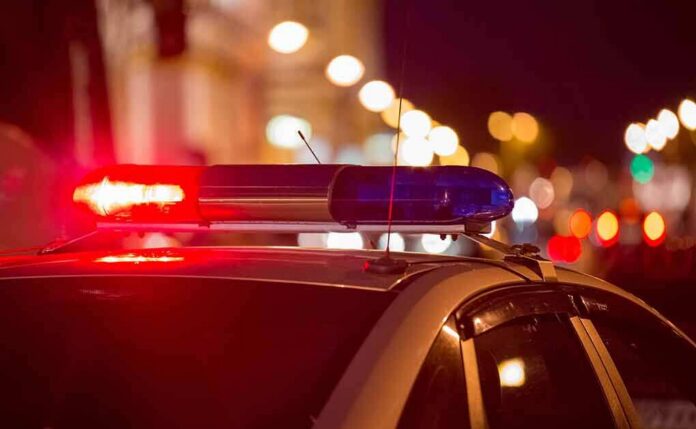
Reason reported that a teenager backed into Nathaniel Stephens’ car near his home in Grayson, Kentucky. Officer Michael Bell accused Stephens of impairment during the response. Stephens recorded 0.00 on a breath test and completed all field sobriety tests, yet officers still handcuffed and booked him on a driving under the influence charge. Prosecutors later dismissed the case after reviewing the body-camera footage and the testing results, according to the same report.
The Carter County Times said body-camera video appeared to show Stephens calm and compliant during subjective tests. The outlet reported Bell claimed he smelled alcohol and wrote that Stephens failed testing, despite the video and the zero breath reading. That reporting also described conflicts between Bell’s report and what the footage showed, which fueled public criticism and calls for accountability in the local community.
Why The Arrest Raises Probable Cause Concerns
Kentucky policy explains that probable cause must rest on objective facts known to the officer at the time of arrest. Guidance for local agencies requires a clear, detailed statement that ties observed facts to the alleged crime. This standard exists to protect citizens from arrests based on hunches or shifting theories. When reports conflict with video and test results, probable cause becomes suspect under those written rules and training expectations.
Courts and training materials also stress that officers may arrest for driving under the influence without a warrant only when that probable cause threshold is met. That means the facts need to add up to a reasonable belief of impairment. Contradictions between on-scene video, a 0.00 breath result, and a later narrative can undermine that belief. Such gaps do not help win trust from law-abiding drivers who expect equal treatment under the law.
The Larger Pattern With Field Sobriety Tests
Experts have warned that standardized field sobriety tests are not reliable enough to stand alone in court. These tests often sweep in sober people, especially when an officer leans on subjective cues like “glassiness” or “swaying.” Local investigative reporting this year highlighted research and expert views that these tests “catch everybody,” and that they should not be the main basis for an arrest when objective tools say otherwise. Objective data should drive life-changing calls.
That warning matches what played out in Grayson. Reports say the officer’s explanation shifted from suspected alcohol to suspected drugs after the breath result showed zero. Shifts like that can look like outcome-driven policing rather than fact-driven policing. Conservative readers know where that road leads: more overreach, more distrust, and more lawsuits. The fix is simple, if sometimes inconvenient—follow the evidence where it leads, even when it clears a citizen.
Accountability, Policy, And The Path Forward
Policing is hard work, and real impaired drivers do deadly harm. That is why probable cause rules matter. They protect honest officers and citizens alike. Kentucky’s own guidance stresses facts, reliable observations, and thorough probable cause statements. Those steps shield arrests from legal exposure and help keep dangerous drivers off the road while sparing sober motorists from wrongful charges and nights in jail. The Grayson case shows what happens when that chain breaks.
Conservatives back the rule of law and respect good police work. We also insist on due process, clear standards, and body-camera truth. President Trump’s second-term push to restore public order works best when every part of the system honors the Constitution and common sense. That means departments must train, supervise, and correct. It means prosecutors must demand evidence that holds up. And it means citizens should never lose their rights to fit a report that does not match the tape.
Sources:
reason.com, yahoo.com, kcoj.kycourts.net, independent.co.uk, anthemeap.com