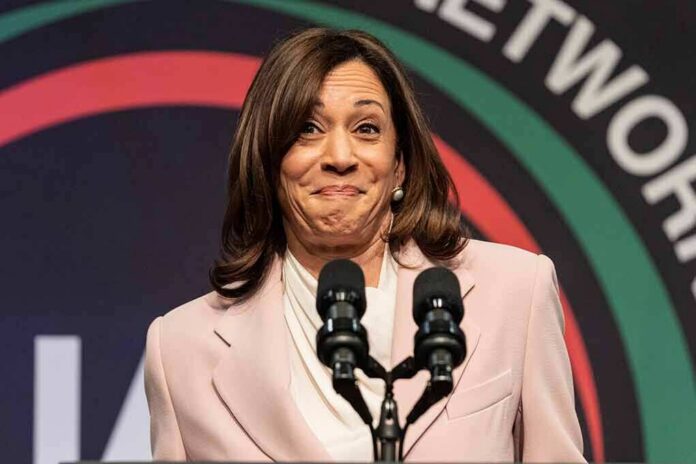
Reports say Doug Emhoff privately prefers Kamala Harris not run in 2028, signaling deep Democratic doubts about her comeback bid.
Story Highlights
- Eight former Harris aides mostly expect she will not run in 2028, per Axios.
- Reports say husband Doug Emhoff privately urged against a 2028 run.
- Key Democratic donors are frustrated after 2024 and eye other options.
- Harris says she has not decided and is focused on 2026 elections.
Insiders Signal Retreat From a Harris 2028 Campaign
Axios reported that five of eight former Kamala Harris aides and advisers expect she will not run in 2028, two called it a coin flip, and only one said she would run. That small but telling group reflects wider unease inside the party after her 2024 loss. Some donors, still unhappy, warn that a new run would be an uphill climb. They cite weak momentum, donor fatigue, and a crowded bench of Democratic governors waiting in the wings.
The same Axios reporting said some past Harris donors are weighing Maryland Governor Wes Moore and California Governor Gavin Newsom. That shift shows real hesitation about pouring more money into a candidate who struggled to connect beyond core activist blocs. Donor movement matters because it decides who can build a national ground game, buy ads, and survive early hits. Without that money, even a well-known figure can fade fast in primary season.
Doug Emhoff’s Reported Preference Undercuts a Relaunch
Separate reports say Harris’s husband, Doug Emhoff, privately told people he would prefer she not run in 2028. That is not a formal statement, and sources are anonymous, but it adds weight to the broader doubts. Family views often mirror political weather inside a campaign. The same coverage noted that people close to Emhoff expect he would back whatever she decides. Still, a spouse’s private caution is a serious warning light.
Coverage also tied the Emhoff story to polling that keeps Harris near the top of early Democratic lists. That points to a split picture: public name recognition versus private concern about electability. Reporters highlighted that Harris continues to draw strong support from Black voters and some younger voters, which props up early survey leads. But early polls do not pay the bills or settle hard questions about message, stamina, and general election strength.
Harris Says 2028 Is Undecided While She Works the 2026 Map
Harris has said she has not decided whether to run and that 2026 midterms come first. She told an audience that “’28 won’t matter if we don’t get through ’26,” framing her travel and fundraising for Democrats as the priority now. That line keeps options open while avoiding a formal launch. It also suggests she knows a weak midterm showing would crush any path for 2028, especially with restless donors hunting for a fresh face.
Reports describe Harris campaigning for Democrats, calling supporters, and keeping a political network alive. That activity preserves her standing if she moves ahead. But it also highlights the party’s split-screen: a recognized national figure who can fill rooms, and an uneasy coalition of staff alumni and donors who remember 2024 and want a safer bet. That tug-of-war is classic succession politics after a loss.
What the Donor and Aide Signals Mean for 2028
Party donors and veterans act like early investors. When many of them balk, the message is simple: prove you can win or step aside. Axios reported billionaire Reid Hoffman warned Harris faces a “very challenging path” in 2028. That kind of public caution from heavy hitters can spook others. If money shifts to governors like Moore or Newsom, Harris would start behind on staff, media, and state operations, where deficits grow fast.
Kamala Harris asks: Did you want me as President in 2028?
🟢 YES
🔴 NO pic.twitter.com/mdM17LKGz3
— Barron Trump Q (@Real_J_F_A_) October 10, 2026
For conservative readers, this story shows a left-wing machine that still rewards brand over results. Voters remember high prices, weak borders, and culture battles pushed by Democrats while Harris cheered from the sidelines. Now insiders are nervous about repeating 2024. If Democrats try to repackage the same ideas under a familiar name, donors may not buy. The party’s problem is not the messenger alone; it is an agenda many Americans already rejected.
Sources:
townhall.com, axios.com, timesnownews.com, yahoo.com