

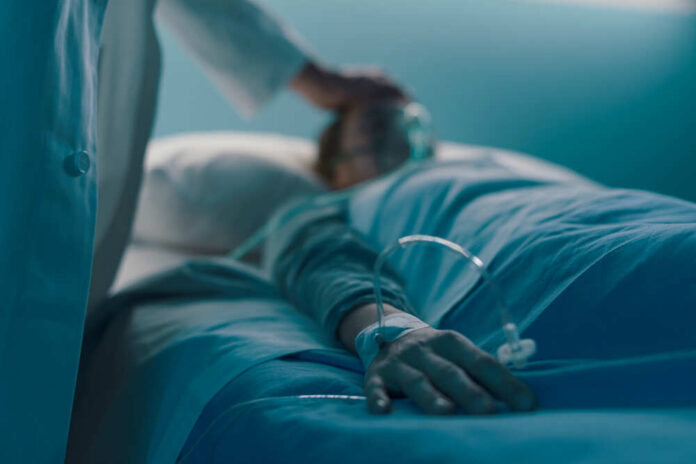
A veteran hospice nurse says many dying Americans see the same comforting “visitors” and talk about going on a trip as they pass — a natural process families rarely hear about.
Story Snapshot
- Hospice nurse Penny Hawkins Smith says death is usually a calm, natural process with common signs like visions and travel talk.
- Studies show most hospice patients report end-of-life dreams or visions, often of deceased loved ones that bring comfort.
- Other hospice clinicians say these visions are so common they are taught as signs that death is near.
- Open, honest talk about dying can ease fear and help families guard dignity and faith in a time of heavy grief.
What Hospice Nurses Keep Seeing At The Deathbed
Retired hospice nurse Penny Hawkins Smith has spent about two decades at the bedside of dying patients, and she says the pattern is hard to miss. People who are dying a natural death usually sleep more, respond less, and then slip into what she calls a “death coma” before their final breath. As that time draws near, she repeatedly hears patients talk about going on a trip and sees them describe steady “bed visions” that follow the same themes.
Smith and other hospice nurses say many patients see deceased loved ones or pets and speak to them like they are right in the room. One nurse explains that this “visioning” is so common it is written into hospice training as a strong sign that death is close. Families may watch loved ones reach up toward the air, sometimes called “reaching for heaven,” or talk calmly about someone coming to get them. These experiences often bring peace rather than panic, especially when nurses explain they are normal.
Research Shows Deathbed Visions Are Widespread And Often Comforting
Medical research backs up what hospice nurses report from the field. A major hospice study found that eighty‑eight percent of patients experienced at least one end‑of‑life dream or vision as they approached death. These visions most often involved deceased friends, relatives, or even pets, and patients described them as very real. The same study noted that visions involving the dead were more comforting than those involving living people, and they became more frequent as death drew closer.
Other research on end‑of‑life dreams and visions shows that at least half of hospice patients describe some kind of “visitation” while asleep or awake. These experiences are usually ordered and clear, not confused like drug‑induced hallucinations, and they tend to support the patient’s sense of meaning and preparation for death. Social workers who have studied deathbed visions report that many dying people see what they describe as messengers or heavenly beings who guide them through the dying process, often easing fear for both the patient and the family.
Science, Spiritual Questions, And What Families Need To Know
Scientists debate the exact cause of these experiences, with some calling them hallucinations linked to low oxygen, organ failure, or brain stress. Others in palliative care argue that the pattern, clarity, and comfort these visions bring set them apart from typical delirium or drug reactions. Whatever the cause, both sides agree that visions, travel talk, and short bursts of energy near the end are common and deserve serious attention because of how strongly they shape a patient’s final days.
Hospice educators like Smith focus less on arguing over the source and more on teaching families what to expect so they do not panic when these moments arrive. She says fear of death usually comes from silence and ignorance, not from the dying process itself. When nurses openly explain that seeing deceased loved ones, reaching into the air, or talking about a journey are normal parts of a natural death, families relax and can stay present, pray, and protect their loved one’s dignity instead of fighting the process.
Why Honest Talk About Dying Matters For Our Values
For older Americans who value family, faith, and personal responsibility, this message matters. Hospice nurses are showing that most deaths, when not driven by sudden trauma, follow a built‑in pattern that our bodies and minds seem prepared to walk through. That pattern includes a physical slowdown, emotional acceptance for many patients, and common spiritual‑style experiences that often match traditional beliefs about being “called home.” Families who understand this can make better choices about care, avoid needless medical struggle, and keep final moments rooted in prayer and connection instead of raw fear.
Smith’s mission is simple: normalize death so people are not blindsided by it. She reports that many followers tell her they were once terrified of dying but felt their anxiety ease after learning how natural the process usually is. In a culture that either hides death behind hospital curtains or twists it into shock entertainment, this kind of straight talk protects the grieving, supports religious and moral values, and lets Americans meet the end of life with courage instead of confusion.
Sources:
mirror.co.uk, podcasts.apple.com, hospicenursepenny.com, goodreads.com, instagram.com, speilburgliterary.com, pubmed.ncbi.nlm.nih.gov, journals.sagepub.com, reddit.com, iands.org