

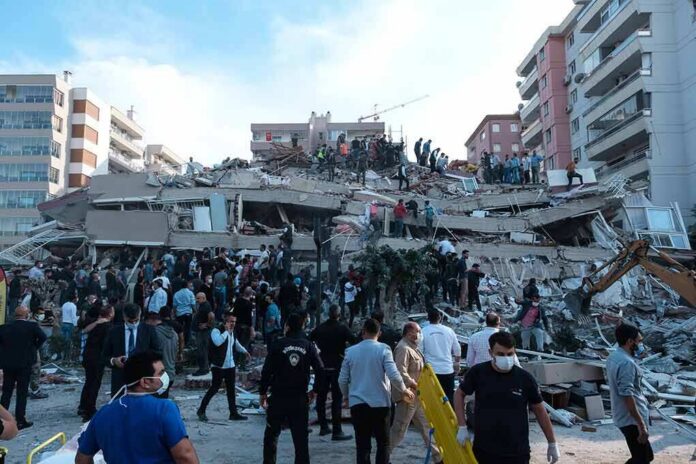
A Russian glide-bomb strike shattered a Zaporizhzhia apartment block, killing civilians and leaving a sister to mourn—one more grim chapter in a pattern of hits on homes, not battlefields.
Story Highlights
- Regional officials say glide bombs hit two residential buildings, killing two and injuring 42.
- Multiple July strikes in Zaporizhzhia injured children and destroyed homes and shops.
- Russia claims it targets industry and logistics, but reports show repeated damage to housing.
- United Nations reporting links aerial bombs to a surge in civilian casualties across Ukraine.
Confirmed Casualties From Strikes On Residential Buildings
Regional authorities in Zaporizhzhia reported that Russian glide bombs hit a five-story and a nine-story residential building on July 19. The attack killed two people and injured 42, including eight children, and tore away floors from one of the buildings. These are not isolated numbers. Officials and local media have logged a string of similar hits this month. The details show a clear pattern: air-delivered bombs striking where families live, not where troops are stationed.
Earlier and later attacks followed the same track. On July 10, officials said guided aerial bombs struck civilian infrastructure, killing one and injuring at least 29. On July 13, four strikes wounded seven, including a four-year-old girl, and destroyed a private house. Reports on July 23 counted five guided aerial bombs, injuring at least 18 to 25 people across city districts, with children among the wounded. The steady rhythm of impact sites points to residential zones bearing the brunt.
Russia’s Justification Versus Ground Reports
Russia’s Ministry of Defence has claimed its strikes aim at defense industry and transport hubs in Zaporizhzhia, not civilians. Ground reports, videos, and local statements tell a different story. Officials described bombs landing in residential neighborhoods, with first responders pulling people from rubble and an apartment block set ablaze. One July 3 account said a guided bomb hit a residential area and damaged a two-story building. The competing claims exist, but the visible damage to homes is hard to square with talk of logistics targets.
This kind of gap between official statements and street-level evidence has shown up across many months of the war. Named local officials consistently describe neighborhood hits, injured children, and broken housing. Those details track with photos of pancaked floors and burned facades. Russia’s broader framing—that it is building a “security zone” by striking military sites—does not explain repeated damage to apartments, shops, and civilian workplaces cited in multiple reports from Zaporizhzhia this month.
Wider Pattern: Aerial Bombs Driving Civilian Harm
United Nations monitors and human rights reports have documented rising civilian casualties tied to explosive weapons in populated areas in 2025 and 2026. United Nations reporting says May 2026 marked the highest monthly civilian toll in four years, with glide bombs a growing driver of deaths and injuries. Another United Nations update noted heavy damage to homes and critical services from short-range drones and aerial bombs, which pushed families out of their neighborhoods. This confirms that Zaporizhzhia is part of a wider trend.
Specific city tallies also highlight Zaporizhzhia. United Nations and monitoring group figures list the city among top locations for killed and injured civilians over recent reporting periods. These data points match July’s string of incidents in the city. Taken together, they show that when air-dropped munitions hit urban blocks, families pay the price. The story of one survivor losing her sister fits a pattern seen in multiple strikes and multiple neighborhoods.
What This Means For Americans Who Value Strength And Clarity
American readers want straight answers, not spin. The reports cited here show guided bombs slamming into apartments, shops, and local enterprises in Zaporizhzhia, with children among the wounded. Russia says it targets industry and logistics, but officials on the ground describe homes in flames and families trapped. Facts should guide policy: deterrence matters, energy stability matters, and real accountability matters when bombs level civilian buildings.
President Trump and allies who support peace through strength face a tough map. Europe is on edge, energy markets stay fragile, and hostile regimes test the West. Clear-eyed leadership means backing defenses that protect civilians, pressing for limits on wide-area weapons in cities, and keeping America’s energy and industrial base strong. When bombs hit homes, the world sees weakness. When the West speaks with clarity and resolve, bad actors think twice—and families have a better chance to live free.
Sources:
united24media.com, kyivpost.com, yahoo.com, kyivindependent.com, nbcnews.com, aljazeera.com, reuters.com