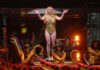
A celebrity impersonator exposed glaring security failures at a top Las Vegas nightclub, raising questions about social engineering risks in America’s high-profile venues.
Story Snapshot
- A Justin Bieber lookalike and his fake entourage infiltrated XS Nightclub, performing on stage and running up a sizable bar tab before being discovered.
- The incident embarrassed club staff and a major headliner, exposing vulnerabilities at elite venues that pride themselves on exclusivity.
- Wynn Las Vegas banned the impersonator for life, but the stunt went viral, fueling debate about security, celebrity culture, and social engineering risks.
- Experts warn that such breaches exploit trust and can erode public confidence, spotlighting the need for stronger verification protocols at American entertainment venues.
Las Vegas Nightclub Fooled By Celebrity Impersonator
On August 17, 2025, XS Nightclub at the Wynn Las Vegas was deceived by a Justin Bieber impersonator named Dylan Desclos, who arrived with a coordinated entourage pretending to be the singer’s team. Desclos convinced both staff and the event’s headliner, DJ Gryffin, that he was the real Bieber. He went so far as to perform the hit song “Sorry” on stage, drawing cheers from the crowd before the deception was uncovered. This elaborate ruse resulted in Desclos being banned for life from all Wynn properties after the club realized the costly mistake and the incident rapidly spread across social media platforms.
Justin Bieber lookalike banned from Vegas nightclub after performing, racking up bar tabhttps://t.co/8ImazzR7eB pic.twitter.com/WqrMeQQTKa
— The Washington Times (@WashTimes) August 20, 2025
Las Vegas, long known for its celebrity-driven entertainment and strict security, has a history of both sanctioned impersonators and high-profile breaches. The XS Nightclub prides itself on exclusive events and high-profile guests, making this security lapse especially notable. Staff members, headliners, and even security professionals were misled by the convincing act, highlighting how easily trust can be exploited by skilled impostors with a strategic plan. The event was further amplified by real-time social media posts from DJ Gryffin and others, intensifying public scrutiny and discussion about venue safety and due diligence.
Watch: Fake Justin Bieber crashes Vegas club, fools security and performs for stunned crowd
Stakeholder Impact and Security Implications
The primary individuals involved include Dylan Desclos, who orchestrated the deception for notoriety and potential gain; DJ Gryffin, who was unwittingly complicit and later shared his experience with fans; and the XS Nightclub, which faced embarrassment and reputational risk. Wynn management acted swiftly to manage damage and restore confidence by banning the impersonator and issuing a public statement. The incident demonstrates how even top-tier security can be circumvented, and that venues must constantly update their protocols to address evolving threats. Social engineering tactics like these not only compromise security but also risk the reputation and financial stability of prestigious establishments.
Short-term fallout includes embarrassment for the club, DJ, and staff, alongside viral media attention that highlights the vulnerabilities of high-profile venues. In the long term, nightclubs and similar entertainment businesses may be compelled to implement stricter verification for VIP guests, including multi-factor authentication and cross-checking with artists’ official teams. This incident is likely to serve as both a deterrent and an inspiration for future impersonators, pushing venues to reconsider how they protect against sophisticated deceptions. The direct economic impact, including an unrecoverable bar tab and potential loss of future business, underscores the real-world costs of security failures.
Broader Industry and Social Consequences
This episode raises broader questions about the blurred lines between celebrity and impersonator in today’s influencer-driven culture. The viral aftermath illustrates the power of social media to amplify both entertainment value and security concerns. Experts argue that the prevalence of such pranks underscores the need for heightened vigilance and better staff training in American nightlife. The story exposes a vulnerability that could be exploited by bad actors, suggesting that private venues must remain vigilant to protect their reputations and patrons from similar breaches in the future.
Limited data is available regarding any legal consequences for Desclos, as no criminal charges were reported as of August 21, 2025. The XS Nightclub incident remains a cautionary tale, illustrating how even the most exclusive venues can be fooled by determined impostors. For conservatives concerned about the erosion of common-sense safeguards and the importance of personal responsibility, this event serves as a stark reminder: trust, but verify, especially when America’s cultural institutions and values are at stake.
Sources:
Justin Bieber Impersonator Tricks Las Vegas Nightclub Into Letting Him Perform On Stage
Justin Bieber look-alike fools Wynn Las Vegas: Fans and workers tricked at XS Nightclub