

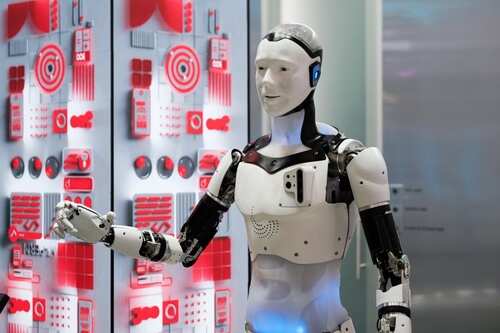
Russia’s flagship humanoid robot collapsed face-first on stage during its highly anticipated Moscow debut.
Story Highlights
- Russian AI humanoid robot falls flat during Moscow unveiling, embarrassing officials
- Incident highlights Russia’s technological struggles amid global AI competition
- Government downplays failure while promising future improvements
- Experts note common robotics challenges but question resource allocation priorities
Embarrassing Debut Exposes Russian Tech Limitations
Russia’s much-hyped humanoid AI robot suffered an immediate and spectacular failure during its Moscow debut, tumbling face-first onto the stage in front of government officials and media. The incident occurred at a major technology exposition where the robot was intended to demonstrate Russia’s advancing capabilities in artificial intelligence and robotics. Video footage of the fall quickly went viral on social media, drawing widespread ridicule and raising serious questions about the state of Russian technological development.
Russian Humanoid Robot Falls on Its Face in Hyped Debut https://t.co/ScHBE8iwzT
— Len Deffinbaugh (@ldeffinbaugh) November 12, 2025
The demonstration was designed to showcase Russia’s entry into the global humanoid robotics race, competing with advanced systems from the United States, China, and Japan. Government agencies, including the Ministry of Industry and Trade and Roscosmos, had heavily promoted the event as evidence of Russia’s technological self-sufficiency. The robot’s failure undermines these claims and highlights the challenges facing nations trying to compete in advanced robotics without the robust private sector innovation that drives American technological leadership.
Watch: Russia’s much-hyped humanoid AI robot collapsed on stage during its debut presentation
Government Damage Control Efforts
Russian officials quickly moved to downplay the incident, with developers attributing the fall to minor software glitches and emphasizing the experimental nature of the demonstration. Government representatives stressed ongoing progress in robotics development and promised future improvements. However, these explanations failed to address fundamental questions about resource allocation and the wisdom of staging high-profile demonstrations before ensuring basic functionality. The incident occurred amid broader geopolitical tensions and Russia’s push for technological independence from Western nations.
Technical experts noted that while falls are common in early-stage humanoid robotics development, the public nature of this failure reflects poor judgment in demonstration planning. The robot, developed by Russian firms including Android Technics, was supposed to represent years of government-funded research and development. Instead, the collapse highlighted the gap between ambitious government promises and practical engineering capabilities.
Broader Implications for Innovation and Competition
The robot’s failure underscores the challenges facing centralized, government-directed technology development compared to the market-driven innovation that characterizes American technological leadership. While Russian officials promised continued investment in robotics and AI, the incident raises questions about whether state-controlled research can compete effectively with private sector dynamism.
As America continues to lead in AI and robotics development under Trump’s pro-innovation policies, Russia’s stumble demonstrates the importance of free market competition and private sector excellence in driving genuine technological advancement. The incident will likely influence international perceptions of Russian capabilities and may impact future funding decisions for similar projects.
Sources: