
A new U.S. policy move in the Caribbean is heightening tensions with Venezuela, raising concerns about a potential military confrontation.
Story Snapshot
- U.S. seizure of a Venezuelan oil tanker escalates tensions.
- Nicolás Maduro accuses the U.S. of piracy and threatens retaliation.
- The media frames the situation as a potential war scare.
- The U.S. continues to enforce maritime sanctions and dominance in the region.
U.S. Seizure Increases Tensions
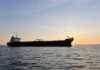
The recent U.S. seizure of an oil tanker near Venezuela has dramatically increased tensions between the two countries. Caracas has accused the U.S. of piracy, and President Nicolás Maduro has issued threats of retaliation. This development has led to media speculation about a looming military confrontation, although no formal declaration of war has been made by either side.
The U.S. has maintained that its actions are lawful enforcement of sanctions and part of a broader strategy to exert pressure on the Maduro regime. The seizure is part of a long-standing U.S. policy to curb smuggling and apply economic pressure, which has included various sanctions and asset seizures over the years.
Watch:
Media Framing and Strategic Implications
The media has played a significant role in framing the current tensions as a possible prelude to war. Headlines have described the situation as being “on the verge of conflict,” although these narratives often stem from speculative scenarios rather than concrete military plans. Analysts note that while the U.S. maintains significant military superiority in the region, there is a strategic hesitancy to escalate the situation into full-scale war.
Venezuela has responded by seeking additional military technology from allies like China, Iran, and Russia, aiming to bolster its defenses against potential U.S. actions. The geopolitical stakes are high, with broader implications for regional stability and international political dynamics.
Strategic Interests and Domestic Implications
The U.S. aims to maintain strategic dominance in the Western Hemisphere, viewing any extra-hemispheric military presence as a significant concern. The ongoing tensions have domestic implications for both nations, affecting public sentiment and political narratives. In the U.S., there is a focus on upholding sanctions and responding to domestic constituencies concerned about authoritarian regimes.
In Venezuela, Maduro’s rhetoric of standing against U.S. aggression serves to consolidate domestic support and justify further militarization. The situation also has economic repercussions, with potential impacts on oil markets and regional migration patterns.
Sources: