
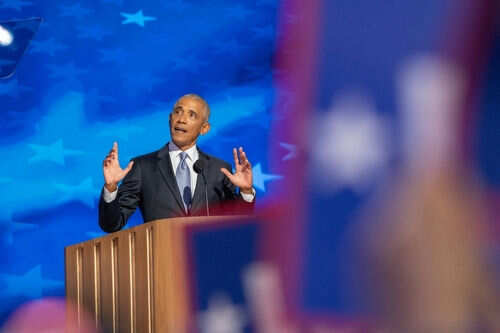
A hyper-realistic AI “arrest” video shared by President Trump is colliding with fresh “treason” rhetoric—forcing a national question: who is poisoning public trust faster, deepfakes or the media that amplifies them?
Quick Take
- President Trump posted an AI-generated deepfake depicting Barack Obama being arrested, without a disclaimer, and it spread rapidly online.
- DNI Tulsi Gabbard publicly alleged Obama-era officials fabricated the Trump–Russia collusion narrative and said referrals were sent to DOJ and FBI.
- Major reporting notes long-established findings that Russia interfered in 2016 through influence operations, even if votes were not altered.
- The episode spotlights a growing risk: political deepfakes can inflame tensions and pressure institutions while eroding confidence in evidence.
Trump’s AI “Obama Arrest” Clip Goes Viral Without a Disclaimer
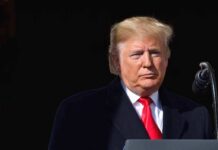
President Donald Trump posted a hyper-realistic AI-generated video on Truth Social portraying former President Barack Obama being arrested by FBI agents in the Oval Office, paired with the caption “No one is above the law.” According to reporting summarized in the provided research, the clip contained no disclaimer labeling it as synthetic media. The post circulated widely, drawing backlash and reigniting arguments over whether viral political content is entertainment—or a trust-destroying weapon.
The timing matters because the video did not land in a vacuum. It appeared alongside renewed debate about the origins and legitimacy of the Trump–Russia investigation and broader claims that key institutions and media outlets misled Americans for years. Even sympathetic viewers can recognize the practical problem: when a sitting president shares a highly convincing deepfake, the line between commentary and “evidence” gets blurred for millions of users who only see the clip, not the context.
Gabbard’s Referrals and Trump’s “Treason” Language Raise the Stakes
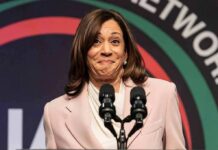
DNI Tulsi Gabbard said she had “striking” evidence and planned to submit material to the Department of Justice and the FBI tied to her claim that Obama administration officials fabricated the Trump–Russia collusion narrative. The research indicates Gabbard released a report and made public remarks, including on Fox News, that framed the matter in criminal terms and called for accountability. Trump praised Gabbard and escalated with rhetoric portraying opponents as traitorous.
Trump’s use of the word “treason” is not new. A prior Hannity interview transcript cited in the research shows Trump previously described the Russia investigation as “treason” and “high crimes,” and he argued the media played a central role in pushing what he viewed as a false storyline. That history helps explain why today’s outrage is not only about an AI clip, but about the deeper grievance many conservatives share: years of headline-driven narratives that shaped elections, policy, and public confidence.
What the Record Shows on 2016: Interference vs. “Vote Alteration” Claims
The research also flags a key tension: multiple investigations concluded Russia interfered in the 2016 election through influence operations, while not establishing that votes were mechanically altered. In the materials provided, mainstream commentary criticized Gabbard’s framing as reviving conspiracies despite established findings of Russian meddling. That distinction—interference versus vote tampering—often gets flattened online, and deepfakes make it worse by giving people “visual proof” of whatever their side already believes.
For constitutional-minded Americans, the danger is practical and immediate. If the public cannot tell what is real, demands for censorship, emergency “misinformation” powers, and centralized speech control predictably follow. At the same time, when powerful figures use arrest imagery—especially a convincing fake—critics argue it can normalize political retaliation. The research does not show any prosecution stemming from the claims so far, underscoring how quickly online narratives can race ahead of verified legal outcomes.
Deepfakes, Media Incentives, and the Coming Pressure for New Rules
AI deepfake technology is already forcing a debate over whether political content should carry watermarks or clear disclaimers, and the research notes warnings about “post-truth” dynamics and election risks ahead. The immediate impact described is polarization and erosion of trust—two conditions that make voters easier to manipulate and institutions easier to weaponize. With the 2026 midterms approaching, both campaigns and newsrooms face incentives to chase attention faster than they verify authenticity.
Conservatives who are tired of government overreach have a legitimate concern here: the response to deepfakes could become a new excuse for regulating speech and punishing dissent, rather than targeting fraud narrowly. The strongest protection is transparency—clear labeling for synthetic media, fast debunking when needed, and restraint from officials who should understand how a believable fake can ricochet through the public square. Until standards are clear, Americans should assume viral “too-perfect” clips are suspect.
Trump Rages Media Should Be Charged With 'TREASON' Over Iran-Peddled AI Clips https://t.co/2mPTsHnvie
— Mediaite (@Mediaite) March 16, 2026
At minimum, this episode shows how quickly political discourse can be hijacked by synthetic content—and how easily “treason” talk spreads when trust is already low. The research indicates outrage focused heavily on AI misuse, while the underlying accusations remain disputed and not publicly proven through court proceedings. The public interest is served when claims are tested through lawful process, and when media outlets avoid laundering sensational content that inflames the country without confirming what’s real.
Sources:
Donald Trump Hannity interview transcript: Trump calls Russia investigation “treason”
Epstein files, Obama treason, Trump (Los Angeles Times Opinion)
AI in a post-truth world (Hungarian Conservative)