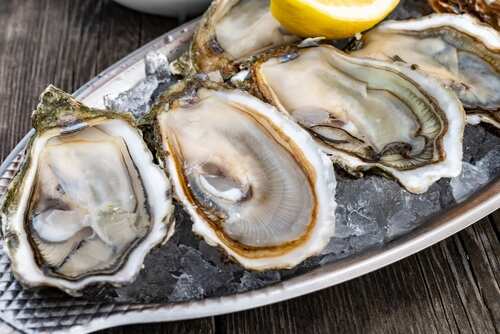
Fatal bacteria in Louisiana oysters now claim lives across state lines, putting consumer safety and government overreach in the spotlight.
Story Snapshot
- Surge in deaths from Vibrio vulnificus tied to Louisiana-harvested oysters; six dead in Louisiana, five in Florida.
- Health officials warn of increased infections and urge caution during peak risk months.
- Outbreak highlights failures in food safety oversight and risks of regulatory neglect.
- Industry and consumers face economic and personal impacts as cases extend beyond the Gulf Coast.
Deadly Bacteria Linked to Louisiana Oysters: A Growing Threat
In 2025, the spread of the flesh-eating bacterium Vibrio vulnificus through Louisiana oysters has resulted in a spike in fatalities, with six deaths in Louisiana and five in Florida attributed to contaminated seafood. Health authorities confirm that these cases occurred from May through August, coinciding with warmer coastal waters that boost bacterial growth. The Gulf Coast—already known for high seafood consumption—finds itself at the epicenter of this escalating crisis, with infections now reported as far north as Connecticut and Massachusetts.
Two people have died in Louisiana after contracting flesh-eating bacteria from raw oysters, and state officials warned of an increase in cases. Details: https://t.co/8WH9zwd1vu pic.twitter.com/xLzDvL60k8
— WFLA NEWS (@WFLA) August 29, 2025
The Louisiana and Florida Departments of Health have each issued urgent public advisories, especially targeting those most at risk: individuals with compromised immune systems, chronic illnesses, or open wounds exposed to seawater. Despite these warnings, no formal recall of oysters has taken place. Instead, officials continue to monitor and issue guidance, leaving many consumers wary of government responsiveness and food safety enforcement.
Escalating Cases Reflect Past Oversight Failures and Regulatory Gaps
Historically, Louisiana averaged just one death per year from Vibrio infections, but 2025 has shattered those records. With 17 cases and four deaths confirmed by July and two additional deaths by August, the trend has alarmed both public health officials and the seafood industry. The current outbreak underscores the dangers of neglecting food safety basics in favor of top-down control and unfocused spending priorities.
Florida’s recent confirmation of 13 cases and eight deaths further demonstrates the rapid geographic spread and severity of Vibrio infections. The outbreak’s scale—and its northward creep—spotlights the risks when government agencies prioritize expansive, one-size-fits-all policies over targeted, practical safeguards that protect families and local economies. Industry stakeholders, from oyster harvesters to restaurant owners, now face declining consumer confidence, economic uncertainty, and stricter scrutiny as public concern mounts.
Watch: Two dead after getting flesh-eating bacteria from raw oysters in Louisiana
Broader Implications: Constitution, Community, and Consumer Rights
The outbreak’s short-term impacts include increased hospitalizations, fatalities, and economic hardship for the seafood industry. Long-term, there may be calls for additional regulation, expanded testing, and renewed debate over the balance between public safety and regulatory overreach.
This crisis challenges not only public health protocols but also the appropriate reach of government authority in safeguarding American families. The seafood industry’s resilience and consumer vigilance will determine whether future outbreaks are prevented by sound policy—or exacerbated by the very bureaucratic excesses so often criticized in recent years.
Sources:
Contaminated oysters spread fatal flesh-eating bacteria in two states | Fox News Health
Louisiana oysters linked to flesh-eating bacteria deaths in two states | CBS News
Vibrio vulnificus cases and advisories | Louisiana Department of Health
Vibrio vulnificus information and updates | Florida Department of Health