
A new policy threatens sanctuary status, sparking outrage and lawsuits.
Story Highlights
- The Trump administration halts federal funds to sanctuary states.
- Policy begins February 1, 2026, affecting Democrat-led areas.
- Sanctuary cities vow legal challenges against the funding cuts.
- Policy expands earlier efforts targeting sanctuary locales.
Trump’s Stand Against Sanctuary Cities
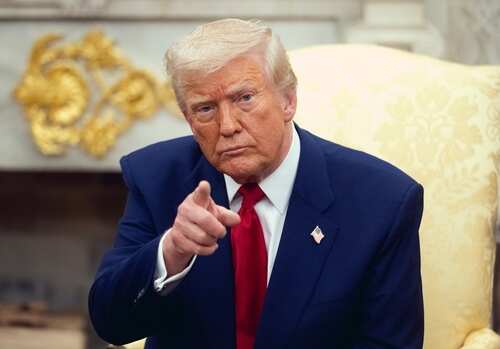
On January 13, 2026, President Donald Trump announced a significant policy shift during a speech at the Detroit Economic Club. The administration plans to cut federal funding to sanctuary cities and states starting February 1, 2026. This decision targets jurisdictions that, according to the administration, prioritize illegal immigrants over American safety and security. The affected areas include heavily Democrat-led states like California, New York, and Illinois.
Trump’s move expands on previous efforts by targeting entire states rather than individual cities alone. This policy follows the May 2025 release of a list by the Department of Homeland Security identifying sanctuary jurisdictions based on their lack of cooperation with federal immigration enforcement. The administration argues that these policies foster crime and fraud, affecting law-abiding citizens. However, the specifics of which federal funds will be affected remain vague, leaving local leaders uncertain about the financial impact.
Watch:
Legal Challenges from Sanctuary Leaders
Leaders from sanctuary cities, including Chicago Mayor Brandon Johnson and New York City Mayor Zohran Mamdani, have expressed their intention to challenge the funding cuts in court. They argue that sanctuary policies help build trust between immigrant communities and local law enforcement, thereby enhancing public safety. This legal battle echoes past attempts by the Trump administration to cut funding to sanctuary cities, which federal courts previously blocked due to constitutional concerns over executive overreach.
Despite these legal hurdles, the Trump administration remains committed to enforcing immigration laws through financial leverage, a stance that resonates with many conservative supporters who view sanctuary policies as undermining national security. The policy’s success or failure could significantly influence state-federal relations and the political landscape leading up to the 2026 midterm elections.
Potential Impacts and Future Considerations
The immediate impact of this policy is expected to be a wave of lawsuits from affected cities and states, potentially leading to strained public services. In the long term, the policy could reshape the dynamics between federal and state authorities, forcing sanctuary jurisdictions to re-evaluate their policies or face ongoing financial challenges. Economically, the loss of federal grants could affect public safety, housing, and childcare funding, especially in Democrat strongholds.
Politically, this move may deepen the divide between red and blue states, testing the limits of executive power and federal oversight. As the February 1 deadline approaches, all eyes will be on the courts to see if they uphold or block the administration’s decision, setting a precedent for future interactions between the federal government and sanctuary jurisdictions.
Sources:
Trump Cut Federal Funding Sanctuary Cities Beginning Feb 1
White House End Funding Sanctuary Cities States
President Trump Threatens to Halt Funding to Sanctuary Cities
President Trump Says Federal Government Will No Longer Fund Sanctuary Cities Beginning Feb 1