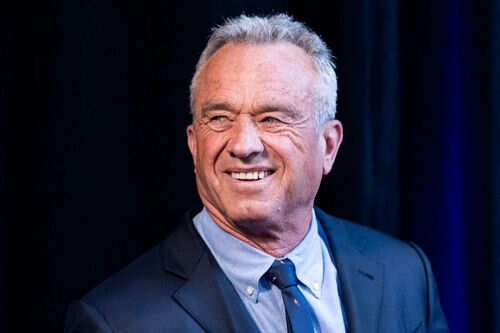
RFK Jr.’s rushed push to define and label “ultra-processed foods” by April risks government overreach into everyday American grocery choices, threatening affordability for working families.
Story Snapshot
- HHS Secretary RFK Jr. pledges ultra-processed food (UPF) definition and color-coded labels by April 2026 as part of Make America Healthy Again (MAHA).
- New Dietary Guidelines flip the food pyramid to prioritize protein and real foods, de-emphasizing UPFs amid obesity concerns.
- Critics highlight definitional chaos—even yogurt or fortified cereals could get red flags—echoing failed European models like Nutri-Score.
- UPFs remain 62% cheaper with longer shelf life, vital for low-income parents, commuters, and disabled Americans in car-dependent culture.
- Potential SNAP and school meal reforms could raise costs, prioritizing elite ideals over practical family needs.
RFK Jr.’s April Deadline Announcement
In March 2026, HHS Secretary Robert F. Kennedy Jr. appeared on the Joe Rogan podcast, vowing to deliver a clear definition of ultra-processed foods (UPFs) alongside red-yellow-green nutrition labels by April. This pledge anchors the MAHA campaign, targeting what RFK calls “poisoning” of children through 70% UPF-dominated school meals. The announcement followed a MAHA rally pushing curbs on UPFs, food dyes, and SNAP reforms. January’s new Dietary Guidelines already shifted focus to “real food,” flipping the old pyramid to elevate protein and healthy fats over grains. RFK leverages his HHS authority to influence federal procurement worth hundreds of billions.
New Dietary Guidelines Reshape Nutrition Policy
USDA and HHS unveiled the 2026 Dietary Guidelines on January 7 via realfood.gov, branding prior advice as corporate-driven lies. The guidelines loosely describe UPFs as highly processed, packaged, ready-to-eat items loaded with added sugars and salt. They de-emphasize UPFs while promoting real foods, setting the stage for procurement changes in schools and SNAP, which serve 45 million daily meals. The pyramid inversion prioritizes proteins and fats, responding to obesity epidemics where UPFs fuel overeating and chronic issues. RFK frames UPFs as a “foreign adversary strategy” undermining American health.
Challenges in Defining Ultra-Processed Foods
Defining UPFs proves elusive, drawing from flawed Brazilian NOVA classifications that lump fortified cereals and pre-cut fruits with junk food. European Nutri-Score, a potential model, faces backlash for misleading ratings—like Coke Zero scoring high despite zero nutrients—and remains non-mandatory. Even Whole Foods items undergo processing, complicating RFK’s absolutist stance that a “four-year-old knows potato chips from potatoes.” Critics argue no consensus exists on ingredients or methods, with Europe still grappling years later. Former FDA experts like Paula Trumbo note UPFs’ efficiency drives their 62% cost advantage and shelf life.
Before RFK Jr. Can Crack Down on 'Processed Foods,' He'll Have To Figure Out How To Define Them https://t.co/ZebKk9kDEx via @reason
— George Lominadze (@GeorgeLominadze) March 20, 2026
Economic and Practical Impacts on Families
UPF crackdowns threaten low-income and mobile Americans who rely on affordable, grab-and-go options in a car-centric nation. These foods cost 62% less, offer convenience for working parents and disabled individuals, and include nutrient-fortified products essential for specific diets. Labeling risks consumer confusion, potentially hiking prices through reformulations or supply disruptions. SNAP and school shifts to “real food” could burden $100 billion procurement, echoing EU failures. Industry warns of harm to nutrient-forward brands, prioritizing common-sense moderation over paternalistic bans.
Stakeholder Clashes and Broader Concerns
RFK Jr. and the MAHA Commission drive reforms, backed by former FDA Commissioner David Kessler’s petition against refined carbs like high-fructose corn syrup. Food producers resist, citing consumer demand and lobbying power. Nutritionists acknowledge UPF health risks but emphasize composition—veggie-based versions beat soda—over blanket vilification. Conservatives wary of government dictating diets see echoes of elitist overreach, ignoring real-life economics. With Kessler’s petition advancing and no bans confirmed, April’s outcome remains uncertain amid definitional vagueness.
Sources:
Before RFK Jr. can crack down on ‘processed foods,’ he’ll have to figure out how to define them.
RFK New Dietary Guidelines: 5 Changes 2026
Health Policy Roundup February 18, 2026
RFK Jr. MAHA Rally: Food Dyes, SNAP, and UPF Labeling
Kennedy/Rollins Unveil Historic Reset of US Nutrition Policy
RFK Trump Dietary Guidelines: Protein, Sugar
RFK Jr. New Color-Coded Labels Coming for All Packaged Food