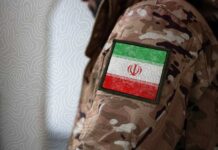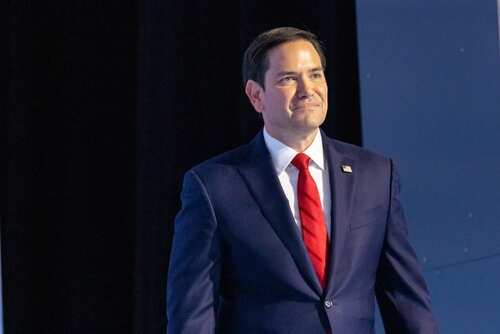
Secretary of State Marco Rubio visits Israel after Qatar strikes.
Story Snapshot
- Discussions focus on regional security and U.S. foreign policy shifts.
- Concerns rise over the potential impact on American interests abroad.
- Rubio’s visit marks a significant shift in U.S.-Middle East relations under the Trump administration.
Marco Rubio’s Diplomatic Mission to Israel
In a significant diplomatic move, U.S. Secretary of State Marco Rubio has arrived in Israel following recent strikes in Qatar. His visit underscores the Trump administration’s commitment to reassessing America’s role in the Middle East. The trip aims to bolster U.S.-Israeli relations and address the regional security challenges that have intensified following the strikes. Rubio’s discussions with Israeli leaders are expected to focus on strategies to counter threats and enhance cooperation between the two nations.
This visit comes amid heightened tensions in the region, with the potential for increased military engagements. The Qatar strikes have raised alarm about the stability of the Middle East, and Rubio’s presence in Israel is seen as a reaffirmation of America’s strategic alliances. The Secretary of State’s itinerary includes meetings with key Israeli officials to discuss coordinated responses to regional threats, emphasizing the importance of U.S. support in the face of shifting geopolitical dynamics.
Watch: US Secretary of State Marco Rubio visits Israel in aftermath of Qatar strikes | BBC News
Strategic Implications for U.S. Foreign Policy
Rubio’s visit reflects a broader shift in U.S. foreign policy under President Trump, moving away from the previous administration’s approach. The focus is now on strengthening traditional alliances and prioritizing national security interests. By engaging directly with Israeli leaders, Rubio aims to reinforce the shared commitment to countering common adversaries, particularly those that pose immediate threats to both nations. This approach aligns with conservative values of strong national defense and maintaining key international partnerships.
The Trump administration’s policies have been characterized by a commitment to military strength and diplomatic assertiveness. Rubio’s diplomatic mission is a clear indication of this strategy, as it seeks to address the complexities of Middle Eastern politics through direct engagement and collaboration with allies. This visit also serves as a reminder of the administration’s dedication to protecting American interests abroad and ensuring that the United States remains a formidable presence on the global stage.
Potential Challenges and Opportunities
While Rubio’s visit is a step towards solidifying U.S.-Israeli relations, it also highlights the challenges that come with navigating the intricacies of Middle Eastern diplomacy. The region’s volatile landscape demands careful and strategic decision-making, with the potential for unforeseen consequences. However, this visit also presents opportunities for strengthening bilateral ties and exploring new avenues for collaboration in areas such as defense, technology, and intelligence sharing.
As the Trump administration continues to redefine America’s foreign policy priorities, Rubio’s visit to Israel serves as a critical moment in enhancing diplomatic relations and addressing the region’s security challenges. The outcome of these discussions could have lasting implications for U.S. involvement in the Middle East and its role in promoting stability and peace in the region.
Sources: