
Iran’s regime faces massive protests over economic collapse, with President Pezeshkian offering rare dialogue amid brutal crackdowns.
Story Highlights
- Protests erupted across Iran from December 28, 2025, driven by rial’s 50% devaluation and 42.5% inflation, starting with shopkeeper strikes in Tehran.
- By day three, students at universities like Amirkabir join, chanting against Supreme Leader Khamenei, facing arrests, tear gas, and Basij militia attacks.
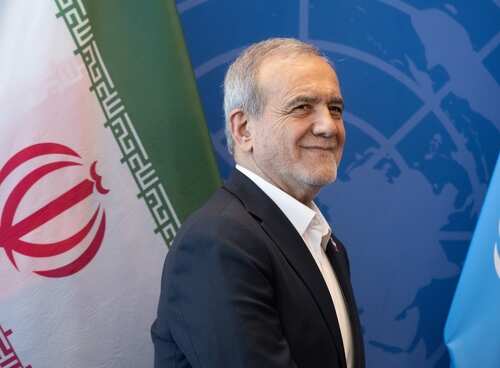
- President Pezeshkian orders dialogue with protesters’ “legitimate demands,” a concession contrasting violent security responses in multiple cities.
- Business closures spread in solidarity; government shuts offices in 25 provinces amid disputed energy claims, signaling regime weakness.
Protests Ignite Over Currency Collapse
Shopkeepers in Tehran’s malls and Grand Bazaar launched strikes on Sunday, December 28, 2025, after the Iranian rial hit a record low against the US dollar, losing nearly half its value over the year. Inflation reached 42.5% in December, crushing families and merchants under chronic US sanctions reimposed since 2018. These economic actors, vital to Iran’s bazaar economy, halted business to protest mismanaged finances worsened by regional threats from Israel. Demonstrations quickly evolved from economic grievances into broader anti-government fury, mirroring patterns conservatives recognize in failed statist systems.
Students Confront Security Forces
By Tuesday, December 30, protests spread to universities including Amirkabir in Tehran, and cities like Karaj, Isfahan, Shiraz, Kermanshah, and Yazd. Students chanted anti-regime slogans, dismantled signs of Supreme Leader Ali Khamenei’s representatives, and clashed with Basij militia and riot police. Authorities arrested at least 11 near Shoush Square and five students, with four later released; one Amirkabir student suffered severe injuries from Basij attacks. Tear gas and reported shootings forced retreats in areas like Hamadan and Malard, as night protests signaled persistence into Wednesday.
Watch:
Rare Government Dialogue Offer
President Masoud Pezeshkian, a reformist navigating hardliner dominance, instructed his interior minister on Monday, December 29, to engage protesters and address their “legitimate demands.” He met trade officials amid unrest and vowed to “listen patiently even if… harsh voices.” Spokeswoman Fatemeh Mohajerani acknowledged intense economic pressures and constitutional rights to peaceful assembly. This quick concession contrasts past crackdowns like 2019’s Bloody November and 2022’s Mahsa Amini uprising, where economic woes fueled violence without dialogue. Heavy security deployments and checkpoints in Tehran, Mashhad, and Kermanshah underscore regime tensions.
Government closures in 25 provinces, blamed on energy conservation during a cold snap, face skepticism as online weather data shows mild conditions. More businesses announced solidarity closures, paralyzing commercial districts and bazaars.
Economic and Political Ramifications
Short-term, failed dialogue risks escalation with more arrests and violence, disrupting commerce through strikes in over 10 cities affecting shopkeepers, students, and residents. Long-term, unrest tests Pezeshkian’s reforms against IRGC and Basij loyalty enforcers, potentially hardening crackdowns amid ongoing US sanctions and Israeli threats. Student mobilization highlights youth discontent, while chants targeting Khamenei challenge supreme authority. These events validate conservative warnings on sanctions’ pressure against terror-sponsoring regimes, as President Trump’s policies promote American strength without globalist entanglements.
Sources: