
As federal prosecutors moved on 15 accused Minneapolis Antifa militants, chaos erupted outside the St. Paul courthouse, exposing again how the far left treats law and order as optional.
Story Snapshot
- Federal prosecutors unsealed an eight-count indictment against 15 people tied to Direct Action Minnesota, a group with Antifa links.
- Charges include conspiracy to impede or injure federal officers, interstate stalking, threats, assault on officers, and destruction of government property.[1]
- Protesters swarmed the St. Paul federal courthouse, clashing with officers as marshals used chemical spray to push back the crowd.[7]
- The case highlights a deep divide over protest, political violence, and how far the government should go to protect immigration enforcement.
Antifa-Linked Group Hit With Federal Conspiracy Charges
The Department of Justice announced that a federal grand jury returned an eight-count indictment against 15 members and associates of Direct Action Minnesota, a Minneapolis group that prosecutors say has ties to Antifa.[1] The indictment accuses them of more than loud protests. It lays out charges like conspiracy to impede or injure a federal officer, interstate stalking, interstate threats, solicitation to commit a crime of violence, assault on a federal officer, and destruction of government property.[1] Prosecutors say these were not random outbursts but organized actions aimed at blocking immigration enforcement during a larger Homeland Security operation called Metro Surge.[1]
In a press briefing, U.S. Attorney Daniel Rosen said the defendants are linked to two Minneapolis-based Antifa-aligned groups and that they “violently opposed the enforcement of federal law.”[6] According to Rosen, twelve of the fifteen were arrested in a coordinated sweep, one was already in custody on other charges, and two remain at large.[6] Officials say Direct Action Minnesota did not just join protests. They claim the group infiltrated otherwise lawful rallies and used them as cover to carry out carefully planned “direct actions” targeting immigration officers and other law enforcement.[2]
From Protest to “Direct Action”: What Prosecutors Say Happened
Federal officials say the case centers on two main days: January 23 and March 1, 2026, when Direct Action Minnesota allegedly organized “hard” and “soft” blockades against federal immigration officers and county deputies near the Whipple Federal Building in Minneapolis.[2] Prosecutors say members used vehicles, blocks of ice, and human chains to trap or slow federal vehicles as part of an effort to stop raids and deportations.[3] In one incident, people allegedly flipped a trailer, dented a federal vehicle, and used homemade shields to push against officers trying to do their jobs.[3]
The indictment also points to what it calls “commuting tactics,” where members tried to follow and track federal officers away from the protest zone.[2] Rosen described how defendants allegedly identified, surveilled, and harassed officers, sometimes following them from the Whipple Building to their homes or across state lines.[2] One defendant, Isaac Sant, is accused of following a federal officer from the building to Hudson, Wisconsin, which supports an interstate stalking charge.[3] Prosecutors say this pattern turned political disagreement into personal targeting of individual officers and their families, raising clear public-safety concerns in a way many conservatives have warned about for years.
Encrypted Chats, Social Media, and the Push for Violence
Investigators say much of their case comes from encrypted chat messages, private meetings, and social media posts that outlined plans for more than peaceful protest.[3] Local reporting says one defendant, Kyle Wagner, posted online, “No, not talking about peaceful protests anymore… Get your guns and stop these people,” a message that prosecutors now tie to solicitation of violence against federal officers.[7] The indictment reportedly describes training in shield use, record-keeping of federal vehicles, and plans to “forcibly challenge, block, or halt immigration raids, detentions, and deportations.”[5] Taken together, officials argue this shows a coordinated effort to use force, not just First Amendment speech.
At the same time, defense attorneys and activists are already pushing a very different story. One defense lawyer claims earlier, related cases from the same immigration surge were dropped due to false information and weak evidence, calling the new indictment part of a “political crackdown” on dissent.[8] Another supporter insists the activists were trying to “protect schools and communities” from immigration officers, not stalk or assault them.[8] So far, those counterclaims come as broad political attacks on federal motives, not detailed point-by-point rebuttals of the chats, videos, or travel records that prosecutors say they have.
All Hell Breaks Loose Outside the Courthouse
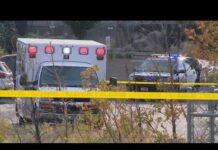
As the indictment was unsealed and the first hearings began in St. Paul, anti-ICE and pro-Antifa demonstrators flooded the area around the federal courthouse.[7] Video from the scene shows a tense crowd chanting, cursing at officers, and trying to push closer to the building entrance. U.S. Marshals and other officers formed lines to hold them back. When protesters pressed into those lines, marshals deployed chemical spray, sending parts of the crowd scrambling and sparking angry shouts about “police brutality” from organizers.[7]
Inside the courthouse, the early legal fight turned to detention. Prosecutors asked to hold at least some defendants, arguing their organized conduct and alleged tracking of officers showed they could be a danger if released.[8] The judge rejected detention, saying there was not enough to show they were flight risks or likely to interfere with the case.[8] Instead, the court imposed limits on communication and barred some defendants from protesting on federal property while the case moves forward.[8] That ruling has already been spun both ways in the media, even though it does not say anything yet about guilt or innocence.
Conservatives See a Test of Law, Order, and the First Amendment
For many on the right, this case captures the line they have been warning about since the 2020 riots: peaceful protest is protected, but organized mobs that stalk officers, block roads, and call for armed resistance are not. The Justice Department’s own press release stresses that the charges focus on assaults, threats, property damage, and targeted harassment of individual officers, not just angry slogans.[1] At the same time, civil-liberties groups cite a wider pattern of aggressive protest-related prosecutions, arguing that new laws and tactics sometimes sweep in nonviolent demonstrators too.[15] That clash sets the backdrop as this Antifa-linked case unfolds.
What is clear already is that political violence and intimidation, from any direction, tears at the rule of law and the safety of families. Immigration enforcement may be controversial, but federal officers enforcing existing laws cannot become fair game for ambushes, stalking, or calls to “get your guns.” As this 94-page indictment works its way through court, conservatives will watch closely: does the system finally hold militant left-wing agitators to account, and can it do so while still respecting real free speech and peaceful assembly for everyone?
Sources:
[1] Web – All Hell Breaks Loose Outside Federal Courthouse in St. Paul After …
[2] Web – 15 Members of Direct Action Minnesota, a Minneapolis …
[3] Web – 15 in Minneapolis facing charges for anti-ICE actions, feds …
[5] YouTube – Killings of Good and Pretti: Will Agents be Charged?
[6] Web – Federal prosecutors announce charges against 15 anti-ICE …
[7] Web – Federal prosecutors charge 15 people with conspiracy to …
[8] YouTube – Federal charges against anti-ICE demonstrators spark …
[15] Web – DOJ charges 30 more people in Minnesota anti-ICE church protest