

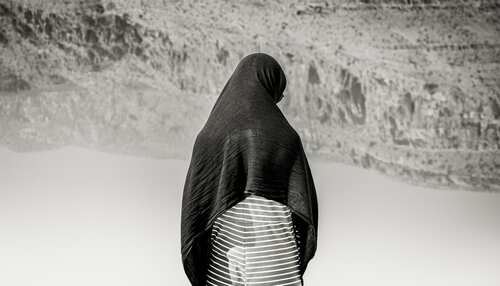
Iran’s barbaric legal system is demanding £80,000 in “blood money” from a child bride who defended herself against an abusive husband, exposing the regime’s grotesque persecution of women.
Story Highlights
- Goli Kouhkan, married at 12 and abused for years, faces execution unless she pays massive ransom by December 2025
- Iranian regime coerced confession from illiterate woman without legal counsel, violating basic human rights
- Case exposes Iran’s legalized child marriage system and systematic oppression of Baluchi minority women
- Victim’s family holds power to demand execution or accept blood money under Iran’s medieval qisas law
Iran’s Medieval Justice System Targets Abuse Victim
Goli Kouhkan’s nightmare began in 2012 when Iranian authorities allowed her forced marriage at age 12 to her cousin. The Baluchi minority woman endured years of domestic violence before being arrested in 2018 after her husband’s death during a violent confrontation. Iran’s qisas law, rooted in Islamic retributive justice, sentenced her to death despite clear evidence of systematic abuse throughout her childhood marriage.
Child bride faces execution in Iran unless she pays £80,000 in ‘blood money’
Goli Kouhkan, 25, on death row for seven years for killing her abusive husband, has until December to settle with the victim’s family pic.twitter.com/Gg3xUmCUup
— Imtiaz Mahmood (@ImtiazMadmood) November 4, 2025
Regime Exploits Illiterate Woman Through Coerced Confession
Iranian authorities violated fundamental due process rights by forcing Kouhkan to confess without legal representation, exploiting her illiteracy and vulnerable status. The confession became the primary evidence in her death sentence, demonstrating the regime’s systematic denial of justice to women and minorities. This prosecutorial abuse mirrors tactics used against countless Iranian women who dare defend themselves against male violence.
Blood Money Demands Expose Discriminatory Legal Framework
The £80,000 diya demand represents an impossible sum for most Iranians, particularly marginalized minorities like the Baluchi people. This economic barrier to justice reveals how Iran’s legal system institutionalizes discrimination, ensuring wealthy families can escape consequences while the poor face execution. The victim’s family holds absolute power under qisas law, creating a system where justice depends on financial resources rather than facts.
International Pressure Mounts Against Iranian Barbarism
Human rights organizations worldwide have condemned Kouhkan’s case as emblematic of Iran’s systematic oppression of women and minorities. The December 2025 deadline has intensified advocacy efforts, with groups raising funds and demanding international intervention. However, the Iranian regime continues executing women in similar circumstances, including Mahsa Akbari in August 2025, demonstrating their contempt for global condemnation and basic human dignity.
This case represents everything wrong with authoritarian regimes that prioritize control over justice. While Americans cherish constitutional protections ensuring due process and equal treatment under law, Iranian women face state-sanctioned persecution for defending themselves against violence. The contrast couldn’t be starker between free societies that protect the vulnerable and tyrannical systems that exploit them.
Sources:
Child Bride Married at 12 Faces Execution for Husband’s Death – The Asia Business Daily
Iran Child Marriage Death Penalty Case – The Jerusalem Post
Iran Human Rights Execution Report
UK Home Office Country Policy Note on Iran Women and Marriage
Child Bride Can Avoid Execution with $105,000 Payment – UNN News
Child Bride on Death Row Appeals for Help – IranWire