
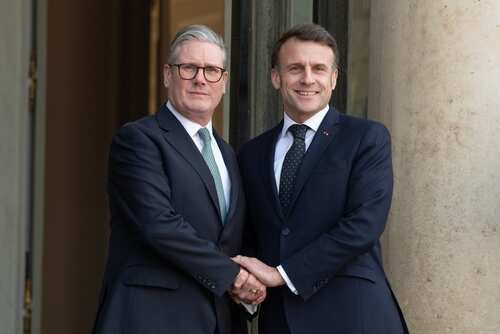
Britain and France have just inked a nuclear pact that would have sent the previous White House into a fit, signaling that Europe is tired of waiting for America to sort itself out and is taking nuclear matters into its own hands.
At a Glance
- UK and France sign the Northwood Declaration, coordinating their nuclear deterrence for the first time in history.
- Deal responds to persistent Russian threats and mounting doubts over US security commitments to Europe.
- New joint Nuclear Steering Group to set European nuclear policy and operations.
- Franco-British pact aims to modernize missile technology and deepen defense research collaboration.
- The move could reshape NATO power dynamics as Europe hedges against unreliable American leadership.
European Powers Step Up as US Commitment Wavers
On July 10, 2025, the UK and France signed the Northwood Declaration, a historic move that brings their nuclear deterrence programs closer than ever before. This agreement, which includes the creation of a joint Nuclear Steering Group, comes amid escalating Russian aggression and an unmistakable chill in transatlantic relations. Neither London nor Paris is waiting around for Washington to decide whether it still wants to be the world’s policeman or just another spectator in the cheap seats.
UK and France form first-ever nuclear deterrent pact to fend off threats to Europe https://t.co/KQQR9ypdxa pic.twitter.com/z5GuZloEXV
— New York Post (@nypost) July 10, 2025
European leaders have grown weary of relying on American promises—promises that have been walked back, watered down, or simply ignored when convenient. After years of watching the Biden administration prioritize climate virtue signaling, open borders, and reckless spending over actual security, Britain and France are acting like adults in a room full of children. Their message to Moscow is clear: any threat to Europe will trigger a coordinated nuclear response by both nations. Gone are the days when French and British interests could be played off each other—now, they are presenting a united deterrent front.
Watch: UK & France Sign Migrant Returns Agreement
The Northwood Declaration: A “Historic” Shift in European Security
The Northwood Declaration marks the first formal synchronization of British and French nuclear policy since their respective programs were launched during the Cold War. The agreement builds on the Lancaster House Treaties of 2010, but goes much further, creating a high-level steering group to oversee nuclear strategy, research, and operational planning. The deal also sets the stage for joint development of next-generation deep strike and anti-ship missiles—a not-so-subtle message to adversaries who might doubt Europe’s resolve.
The timing is no accident. With Russian troops still entrenched in Ukraine and Putin threatening nuclear strikes on Western capitals, London and Paris have decided that “strategic ambiguity” is for amateurs. Their joint statement leaves no wiggle room: “There is no extreme threat to Europe that would not prompt a response by our two nations.” If only Washington could find that kind of spine when it comes to defending its own border, let alone anyone else’s.
Implications for NATO, Russia, and the Future of the West
NATO’s European members have watched the US lurch from one political crisis to the next, each time wondering whether the alliance’s nuclear umbrella would hold up when the rain starts falling. The Northwood Declaration is Europe’s insurance policy against American unreliability—a way to keep the lights on even if the US decides to take a long nap. It also sends a powerful deterrent message to Russia, which has bet heavily on Western division and indecision ever since it rolled tanks into Ukraine.
The agreement doesn’t mean Britain and France are breaking away from NATO. Instead, they are taking the lead in making sure Europe doesn’t become a nuclear doormat for Moscow. The new steering group will coordinate policy, share research facilities, and modernize both countries’ nuclear arsenals. Defense industries on both sides of the Channel will see new contracts and joint projects, giving a much-needed boost to sectors that actually build things—unlike the endless parade of bureaucrats and consultants who flourished under previous administrations.