
Gold Prices SKYROCKET Amid U.S. Instability
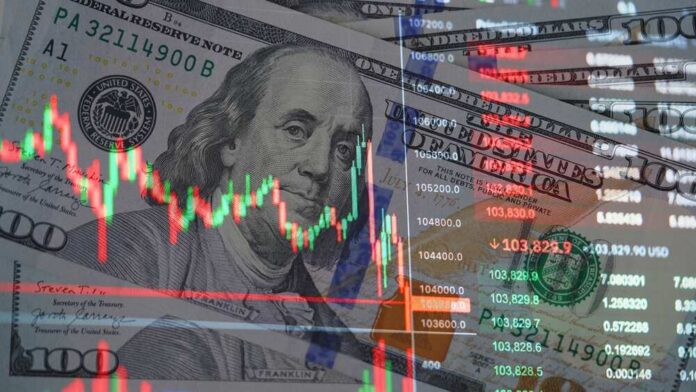
Global investors are fleeing the U.S. dollar in what financial experts now call the “debasement trade,” a stark warning that Trump administration policies are eroding confidence in America’s economic foundation and threatening the dollar’s status as the world’s reserve currency.
Story Snapshot
- The U.S. dollar has lost approximately one-fifth of its value against the euro since Trump’s 2025 election, hitting a four-year low
- Gold prices have doubled in one year, with analysts attributing three-quarters of the surge to concerns about U.S. policy chaos and Federal Reserve independence
- Trump’s nominee Kevin Warsh is set to replace Fed Chair Jerome Powell, signaling more aggressive rate cuts that could fuel inflation
- The “debasement trade” represents investors hedging against currency devaluation, fiscal crisis, and potential erosion of U.S. asset values
Dollar Collapse Reflects Policy Instability
The U.S. dollar has declined more than 10 percent since Trump’s inauguration in 2025, with losses accelerating to nearly 20 percent against the euro. This isn’t normal market volatility—it’s a systematic withdrawal of confidence in American fiscal stability. Carsten Menke, analyst at Julius Baer, identifies the decline as reflecting “growing concern about the political power plays being carried out by President Trump, both domestically and internationally.” When Trump dismissively claimed “the dollar’s doing great,” markets responded by driving the currency even lower, demonstrating how disconnected rhetoric deepens investor anxiety.
Over the last 25 years, the use of the U.S. Dollar for foreign currency reserves has steadily declined from 61% to 41%.
The U.S. Dollar Index fell -9% in 2025, marking is worst performance since 2017. pic.twitter.com/0qZsvgWQq1
— Hedgeye (@Hedgeye) January 1, 2026
Federal Reserve Independence Under Assault
Trump’s nomination of Kevin Warsh to chair the Federal Reserve represents a direct challenge to the central bank’s institutional independence that has underpinned dollar strength for decades. Unlike Jerome Powell, who resisted Trump’s demands for lower rates, Warsh has signaled commitment to more aggressive rate cuts aligned with the President’s preferences. This threatens to unleash an inflation spiral at precisely the wrong moment—when a weakening dollar already fuels rising prices on imported goods. The combination creates textbook conditions for stagflation, where Americans face higher costs while economic growth stalls.
Gold Surge Signals Crisis of Confidence
Gold prices doubling in one year tells a story that should alarm every American concerned about fiscal responsibility. This isn’t speculative fever driven by low interest rates, as occurred under Obama. Instead, UBS estimates three-quarters of gold’s rise stems directly from Trump administration policy decisions and threats to Fed independence. Economist Paul Krugman distinguishes this “debasement trade” from previous gold rallies, noting it reflects rational investor fears about inflation, fiscal crisis, and potential future expropriation of assets. When investors flee to gold despite interest rates that traditionally make such moves unattractive, they’re voting no confidence in dollar stability.
Short-Term Gains Risk Long-Term Disaster
Bank of America analysts characterize Trump’s approach as “economic panic policy,” prioritizing short-term electoral advantage before midterm elections over long-term stability. A weaker dollar does make U.S. exports more competitive internationally, potentially creating jobs and economic activity that benefit Trump politically. However, this tactical benefit comes at a strategic cost that threatens America’s economic sovereignty. Higher import costs fuel inflation that devastates family budgets. Rising long-term interest rates increase government borrowing costs, worsening already unsustainable deficits. Most critically, continued dollar debasement could eventually cost America its reserve currency status—the foundation of our economic power.
The debasement trade represents gradual erosion rather than imminent collapse, but the trajectory is unmistakable. Josh Lipsky of the Atlantic Council notes that while no competitor currently threatens dollar dominance, “these trends didn’t appear overnight.” Robin Brooks of the Brookings Institution attributes dollar weakness to “policy chaos,” including geopolitical provocations like Trump’s Greenland rhetoric that unnerve allies and investors alike. Treasury Secretary Scott Bessent’s attempts to reaffirm strong dollar policy ring hollow when the President simultaneously celebrates currency weakness and pressures the Fed toward inflation-fueling rate cuts that contradict sound monetary management.
Sources:
Markets and allies aren’t selling America, they’re hedging it