
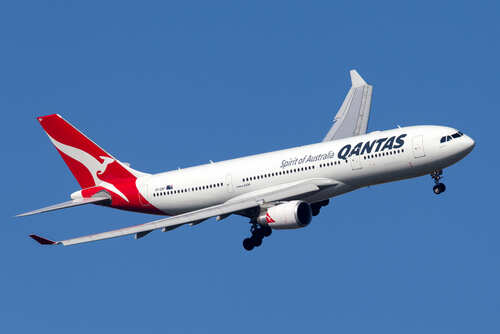
A massive cyber attack on Australia’s Qantas Airways exposed 5.7 million passengers’ personal data on the dark web.
Story Snapshot
- Hackers released 5.7 million Qantas customer records including names, emails, and birth dates on dark web
- Breach originated from third-party cloud platform Salesforce, exposing critical infrastructure vulnerabilities
- Same hacker group previously stole data from 40 global companies including Toyota, Disney, and IKEA
- Qantas obtained court order to prevent further data sharing while working with Australian authorities
Massive Data Breach Exposes Passenger Information
Qantas Airways confirmed hackers dumped 5.7 million customer records on the dark web following a July cyber incident. The exposed data includes passenger names, email addresses, frequent flyer details, and in some cases birth dates, addresses, and phone numbers. The breach demonstrates how easily criminals can access sensitive personal information through corporate security failures, putting millions of law-abiding citizens at risk through no fault of their own.
Watch: Australia: Hackers Leak Qantas Airlines Passengers’ Names, Emails & Birth Dates | WION Pulse
Third-Party Vendor Creates Security Weakness
The airline traced the breach to Salesforce, a third-party cloud platform company handling customer data storage. This incident highlights the dangerous trend of corporations outsourcing critical data management to external vendors without proper oversight. Hackers exploited this weakness by posing as company employees to trick IT departments and gain unauthorized access. The reliance on third-party platforms creates multiple points of failure that criminals increasingly target.
Australia: Hackers Leak Qantas Airlines Passengers' Names, Emails & Birth Dates | WION Pulse https://t.co/YzdYbbwyvE
— PatriotPowerLine 🇺🇦 (@LinePatrio15879) October 12, 2025
Criminal Enterprise Targets Major Corporations
The same hacker group previously stole nearly one billion records from approximately 40 global firms, including household names like Toyota, Disney, and IKEA. These criminals operate sophisticated ransomware operations, demanding payment after stealing sensitive data. The scale of their operations demonstrates how organized cybercrime has become a billion-dollar industry threatening American businesses and consumers alike. Corporate executives must recognize that weak cybersecurity practices invite these predators.
Airline Response and Protective Measures
Qantas secured a court order to prevent further data sharing while collaborating with Australia’s cybersecurity center and federal police. The airline emphasized that credit card information, passport data, and login credentials remained secure. Affected customers received offers for identity protection services and 24/7 support assistance. The company implemented enhanced monitoring systems and additional staff training to prevent future incidents, though such measures should have been standard practice before any breach occurred.
Sources: