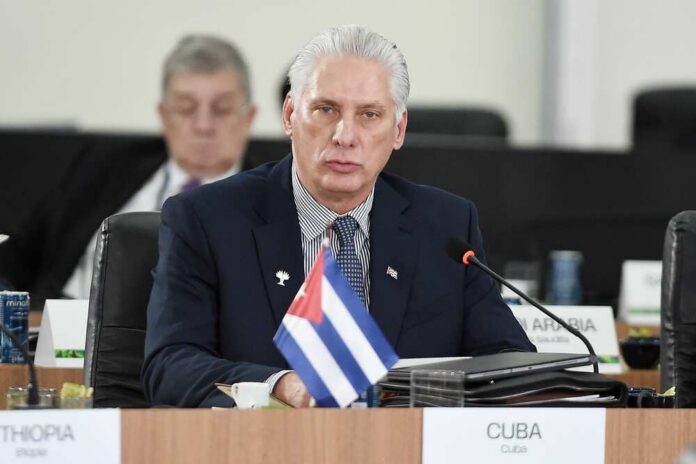
Cuba’s communist president just admitted his government is in talks with President Trump—after weeks of publicly denying it—showing how fast leverage changes the story.
Quick Take
- Miguel Díaz-Canel confirmed on Cuban state TV that Havana is engaged in “sensible” talks with the United States, with “international factors” helping facilitate contact.
- The admission follows Cuba’s earlier insistence that no negotiations existed beyond routine migration discussions, highlighting a clear shift in public messaging.
- The talks unfold amid a deepening Cuban crisis of fuel, food, and medicine shortages after Venezuela’s oil lifeline was disrupted earlier this year.
- Reports describe U.S. pressure as focused on “dramatic changes,” while Havana demands sovereignty and no “preconditions” or “interference.”
Díaz-Canel’s Confirmation Marks a Break From Prior Denials
Miguel Díaz-Canel confirmed on March 13, 2026, that Cuba is holding talks with the United States, calling the exchange a “sensible” and “responsible” dialogue aimed at addressing bilateral problems and cooperating against regional threats. Cuban messaging emphasized actions that “benefit people,” while also mentioning that unnamed international actors are helping facilitate the contacts. The on-camera confirmation stands out because it went beyond the limited, technical migration engagement Cuba previously acknowledged.
The contrast with January is hard to miss. In mid-January, Díaz-Canel rejected what he described as speculative narratives about negotiations and said there were no current talks beyond established migration channels, responding to U.S. threats and pressure. The March statement does not disclose the agenda or concessions, but it does publicly validate that some form of broader discussion is underway. The available reporting leaves key details unresolved, including which third parties are involved and how formal the channel is.
Pressure Points: Oil, Sanctions, and Cuba’s Internal Breakdown
The timing tracks with Cuba’s worsening economic emergency and the sudden loss of Venezuelan oil flows after the United States ousted Nicolás Maduro in early January. Multiple reports describe fuel scarcity and shortages in food and medicine, with Cuba also still suffering from a post-COVID tourism collapse. Some analysis cited in reporting points to long-running governance and economic management failures as part of the crisis, while Havana continues to highlight sanctions pressure as a central cause.
President Trump publicly tied U.S. leverage to energy and enforcement, warning that Cuba could be “starved” of oil and raising the possibility of penalties on countries that assist. Cuba, for its part, has insisted that any dialogue must respect “sovereign equality” and reject interference or preconditions. That push-and-pull matters to Americans because negotiations that reduce instability can also reduce outward pressure—especially migration—yet any relief that props up a hostile regime without verifiable change risks repeating past cycles.
Rubio’s Role and the Question of What Washington Wants
Reporting identifies Secretary of State Marco Rubio as a key figure in the U.S. posture, including mention of backchannel contacts involving a member of the Castro family. Another account quotes a Trump official downplaying the idea of full “negotiations” while still acknowledging discussions and describing U.S. demands for dramatic change. Even with limited public specifics, the theme is consistent: Washington is using hard leverage, while Havana is seeking room to breathe without conceding political control.
What “Talks” Could Mean for Americans Watching Borders and Security
The strongest, well-sourced near-term expectation is practical bargaining: migration management, regional security, and targeted humanitarian steps, with sanctions relief likely a Cuban priority. That fits the pattern experts cited in reporting describe, and it matches how crises often force authoritarian governments into transactional contacts. For a constitutional, limited-government audience, the key test is transparency and enforceability—whether any U.S. commitments come with measurable outcomes instead of vague promises that later empower the same failed system.
For now, the hard fact is simply that talks exist and were publicly acknowledged by Cuba’s top leader, while outcomes remain undisclosed. That uncertainty is important: without clear terms, Americans cannot evaluate whether Washington is securing border-related cooperation, protecting national security interests, or trading away leverage too cheaply. The coming weeks will likely reveal whether this is a narrow discussion to prevent collapse, or the start of a broader diplomatic thaw with conditions attached.
Sources:
Cuba says willing to engage in dialogue with the US
Cuban leader confirms talks with Trump administration
Cuba’s president says no current talks with the US following Trump’s threats
The United States demands ‘dramatic changes’ ‘very soon’ from Cuba
US announces $6 million aid to Cuba as President Díaz-Canel accuses it of imposing energy blockade