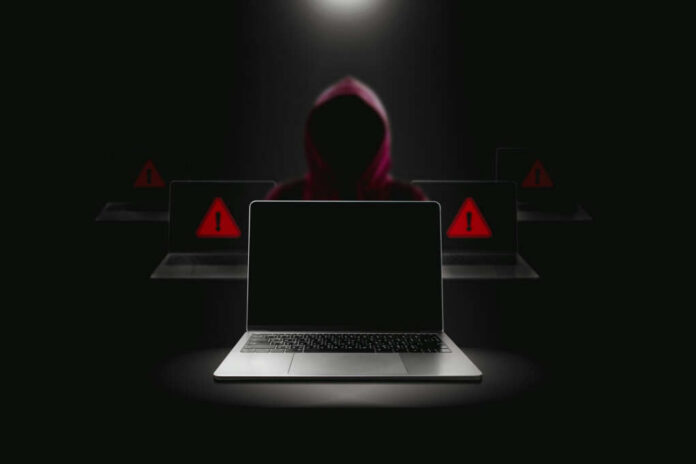
Chinese hackers breached FBI surveillance systems in a ‘major incident,’ exposing sensitive American data and underscoring Beijing’s relentless cyber war on U.S. sovereignty just as President Trump’s team seeks peace through strength.
Story Snapshot
- FBI classifies China-linked hack of U.S. Virgin Islands surveillance as ‘major incident’ under FISMA, risking national security.
- Hackers exploited ISP vendor to access pen register data, revealing targets and PII without communication contents.
- Incident heightens tensions ahead of Trump-Xi summit, exposing PRC’s 50-to-1 cyber advantage over U.S. defenses.
- Part of pattern including Volt Typhoon and Salt Typhoon targeting infrastructure for espionage and sabotage.
Breach Details Emerge
FBI detected suspicious activity in early March 2026 and alerted Congress on March 4. Investigation attributed the intrusion to China-linked hackers who compromised a sensitive surveillance system in the U.S. Virgin Islands. Attackers accessed law enforcement sensitive information through a commercial ISP vendor’s infrastructure. This involved pen register and trap-and-trace data, exposing surveillance targets and personally identifiable information. Full scope and containment remain undisclosed.
Historical Pattern of PRC Aggression
Chinese state-linked groups like Volt Typhoon, active since mid-2021, and Salt Typhoon, uncovered in late 2024, have repeatedly targeted U.S. critical infrastructure. Volt Typhoon infiltrated ports, water, energy systems, and sites near Guam’s Andersen Air Force Base. Salt Typhoon siphoned millions of call records and FBI wiretap data, including unencrypted Trump communications. FBI and Justice Department disrupted Volt Typhoon botnets, but PRC hackers outnumber U.S. cyber resources 50-to-1.
Microsoft warned Volt Typhoon could disrupt U.S.-Asia communications during crises. FBI and CISA highlighted risks from Chinese-made drones exposing infrastructure data to Beijing. These precedents show PRC prepositioning for real-world harm on water grids, pipelines, and telecoms amid Taiwan and Guam tensions.
Stakeholders Respond to Threat
FBI leads the investigation, notifying Congress via aides and committees like Senate Intelligence and House Select on CCP. NSA and CISA joined White House meeting in early March. Congress oversees through FISMA, which mandates seven-day notice for incidents posing demonstrable harm—requirements met here. PRC seeks geopolitical leverage via espionage and sabotage, exploiting U.S.-China rivalry.
Senator Mark Warner stated the threat from sophisticated adversaries like China grows more aggressive. FBI described the breach method as sophisticated ISP vendor tactics. No connection exists to recent Iranian hack on FBI Director’s emails or headquarters systems.
Impacts Demand America-First Action
Short-term, exposed FBI surveillance targets aid PRC counterintelligence, activating FISMA responses. Long-term, deeper penetration risks infrastructure sabotage during crises. Affected parties include investigation subjects with exposed PII, U.S. infrastructure operators in ports, grids, and telecoms, plus national security via revealed watchlists. Economic hits involve innovation theft; social threats target water and power safety.
Politically, tensions rise before the May 2026 Trump-Xi summit, prompting congressional scrutiny. Telecoms, energy, and utilities face elevated risks, urging federal defenses against PRC vendor exploits. In Trump’s second term, conservatives demand robust borders in cyberspace to protect sovereignty, avoiding endless foreign entanglements while prioritizing American security over globalist vulnerabilities.
Sources:
FBI Tells Congress Chinese Hackers Breached Its Systems In ‘Major Incident’
FBI hack surveillance system major incident
Chinese hackers pose danger American infrastructure innovation FBI director warning