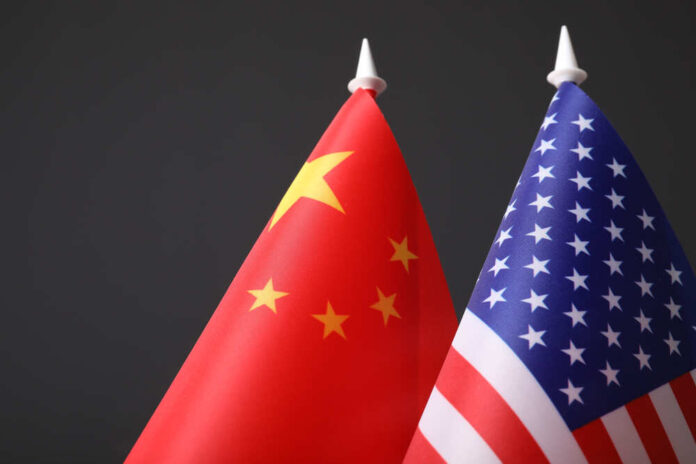
Trump’s acceptance of Xi Jinping’s invitation to visit China sets the stage for a diplomatic showdown that could reshape the U.S. approach to Taiwan.
Story Snapshot
- Trump agrees to meet Xi Jinping in China as Taiwan tensions peak, raising stakes for American sovereignty and security.
- China seeks to leverage Trump’s independent diplomacy, possibly undermining official U.S. policy on Taiwan and regional stability.
- Conservatives express concern over signals sent to allies and adversaries, with Taiwan’s fate hanging in the balance.
- Expert analysis warns of risks to U.S. constitutional norms, alliance reliability, and the precedent of former leaders negotiating abroad.
Trump’s China Visit: A Diplomatic Gambit Amid Taiwan Crisis
In November 2025, President Trump accepted President Xi Jinping’s invitation to visit China, marking a bold diplomatic gesture at a time when Beijing is intensifying pressure on Taiwan. This unprecedented engagement occurs as U.S. military and economic support for Taiwan remains a flashpoint in Indo-Pacific security. Official statements from both Trump and Xi emphasize a desire for frank discussion and peace in the region, but the U.S. State Department cautions that unofficial engagement must not undermine government policy.
As preparations for the December visit unfold, Taiwan’s leadership has urgently sought reassurances from Washington, worried about being sidelined or used as leverage in high-stakes negotiations. The U.S. administration faces the challenge of balancing deterrence against Chinese aggression with the need for diplomatic flexibility, all while ensuring that signals to allies remain consistent and constitutional principles are upheld.
Watch:
Conservative Concerns: Sovereignty, Security, and U.S. Values at Risk
For conservative Americans, Trump’s visit raises urgent questions about sovereignty, national security, and the protection of foundational values. China’s strategy of engaging former U.S. leaders is not new, but with Taiwan’s future at stake, the risk of divided messaging and constitutional erosion looms large. The possibility of backchannel deals or concessions outside official oversight alarms those committed to defending the Second Amendment, family values, and limited government. The precedent of former presidents negotiating on behalf of the nation—without the mandate of office—could weaken the clarity and strength of American foreign policy, especially when adversaries seek to exploit divisions.
New: Trump Accepts Xi Invite Amid Taiwan Tensions https://t.co/K2lF3k1EYM
— ConservativeLibrarian (@ConserLibrarian) November 25, 2025
Regional Impacts and Long-Term Implications
The ripple effects of Trump’s engagement with Xi are already being felt across the Indo-Pacific. U.S. allies such as Japan, South Korea, and Australia are watching closely, anxious about alliance reliability and the possibility of shifting U.S. priorities. The business community is alert to potential changes in trade and tariffs, while defense sectors anticipate possible adjustments in arms sales and military posturing. In the short term, Trump’s visit could either de-escalate tensions or sow confusion, but in the long term, it may establish a precedent for high-profile diplomatic interventions by former leaders—altering not just international relations, but also the contours of U.S. domestic politics heading into the 2026 midterms.