A federal judge just handcuffed ICE agents in Minneapolis, banning arrests and pepper spray on so-called “peaceful protesters” blocking vital deportations from President Trump’s America-first agenda.
Story Snapshot
- U.S. District Judge Katherine Menendez, a Biden appointee, issued an 83-page order on January 16 blocking federal agents from using pepper spray, nonlethal munitions, or arresting peaceful protesters amid Minneapolis immigration raids.
- The ruling follows an ICE agent fatally shooting Renee Good during enforcement operations targeting Minneapolis’s Somali community for deportations and fraud probes.
- The Trump administration surged over 2,000 Homeland Security officials to Minnesota to enforce immigration laws, facing mobile protests that follow agents to arrest sites.
- The Justice Department responds by subpoenaing Gov. Tim Walz and Mayor Jacob Frey for alleged obstruction of federal officers.
Federal Enforcement Surge Targets Illegal Immigration
The Trump administration deployed more than 2,000 Homeland Security officials to Minnesota in late 2025 and early 2026. These agents conduct deportation operations and fraud investigations in Minneapolis’s large Somali community. This escalation upholds immigration laws long ignored under prior leftist policies. DHS defends the operations as essential to rule of law, countering years of open borders that burdened American taxpayers with crime, welfare costs, and job losses. Protests erupted as mobile groups trail ICE agents to enforcement sites.
Judicial Order Restricts Agent Tactics
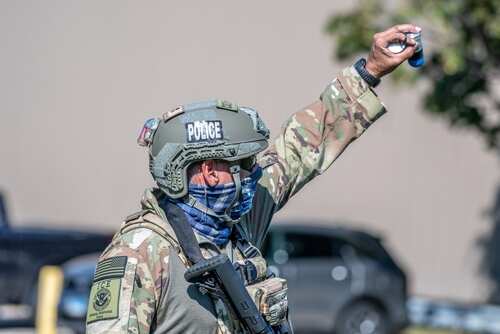
On January 16, 2026, Judge Katherine Menendez prohibited federal agents from using pepper spray, nonlethal munitions, or arresting peaceful protesters. The order also bars stopping vehicles without reasonable suspicion of interference. Menendez cited protester claims of threats like breaking car windows and agents following them home. She found likely First and Fourth Amendment violations but noted scant caselaw on mobile protests shadowing arrests. The ruling lasts until the enforcement surge ends, potentially hobbling operations.
Watch:
Deadly Shooting Sparks Protests and Disputes
Renee Good died from an ICE agent gunshot last week, igniting widespread demonstrations. Protesters sued DHS, alleging violent suppression and constitutional abuses. DHS Assistant Secretary Tricia McLaughlin insists agents used minimum force against violent, obstructive rioters facing assaults and threats. Obstructing federal officers remains a crime. The judge acknowledged law enforcement needs yet sided with protesters, creating tension between border security and assembly rights. This clash tests executive authority in sanctuary strongholds.
Minneapolis protests feature small groups gathering wherever ICE attempts arrests, a novel dynamic with little precedent. Federal agents report vandalism and dangers, underscoring risks to officers enforcing laws Americans demand.
Justice Department Investigates Local Democrat Leaders
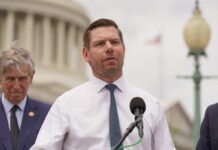
On January 17, the Justice Department issued grand jury subpoenas to Gov. Tim Walz and Mayor Jacob Frey under 18 U.S.C. § 372 for conspiring to impede federal officers. Walz, who ran against Trump in 2024, calls it weaponizing justice, noting the agent in Good’s shooting faces no probe. Frey labels it intimidation. These Democrats oppose federal operations shielding illegal immigrants. Such investigations affirm federal supremacy over local obstruction, vital for mass deportations restoring American communities.
This standoff deepens rifts between Trump’s enforcement and blue-city resistance. Agents face tactical limits, risking escalation if threats persist. The ruling may set precedent constraining future raids, challenging immigration crackdowns.
Sources:
Politico: Reports on Justice Department investigation, DHS response, and local official statements