A major editorial scandal at the BBC has led to the resignation of top executives, casting doubt on media impartiality.
Story Highlights
- BBC Director-General Tim Davie and Head of News Deborah Turness have resigned amid controversy.
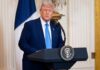
- The resignations followed accusations of editing Trump’s speech to imply incitement of Capitol riots.
- The incident has sparked a debate over media ethics and political bias.
- Trump accused the BBC of attempting to influence the U.S. election.
Resignations at the BBC Spark Outrage
On November 10, 2025, BBC Director-General Tim Davie and Head of News Deborah Turness announced their resignations following a scandal involving the editing of Donald Trump’s January 6, 2021, speech. This incident has raised serious questions about the BBC’s editorial integrity and impartiality, especially during election periods. The documentary, aired just before the 2024 U.S. presidential election, presented Trump’s speech in a manner that critics claim misrepresented him as inciting the Capitol riots.
Watch: BBC Top Brass Resign Amid Controversy Over Edited Trump Speech
The timing of the documentary’s release, coupled with its controversial content, has led to public outcry and allegations of systemic bias within the BBC. The resignations of Davie and Turness, both high-profile figures within the organization, have underscored the significant impact of these accusations. While both have taken responsibility, the BBC now faces increased scrutiny over its editorial practices and its role as a publicly funded broadcaster.
BBC's director and head of news resign amid Trump speech edit controversy https://t.co/uhsBi1liJ3
— CBS News (@CBSNews) November 9, 2025
BBC’s Editorial Practices Under Fire
The BBC’s unique funding model, reliant on mandatory license fees, has long made it a target for political criticism. This latest controversy has intensified calls for an overhaul of its governance and editorial standards. Past incidents, such as the BBC’s coverage of Gaza and Israel, have already raised questions about impartiality, leading to public apologies and debates over media bias. As the BBC navigates this crisis, it must address these longstanding concerns to restore public trust.
Donald Trump has been vocal in his criticism of the BBC, accusing the organization of bias and manipulation. He claims the edited documentary was intended to influence the 2024 U.S. presidential election by misrepresenting his words. This accusation has added fuel to the fire, as the BBC contends with both internal reviews and external pressure from political figures and media watchdogs.
Implications for Public Broadcasters
The resignations have left a leadership vacuum at the BBC, prompting discussions about potential reforms in public broadcasting. The controversy has highlighted the broader issues of media manipulation and election interference, prompting other media organizations to re-evaluate their editorial practices. As the BBC undergoes a leadership transition, it is expected to face both internal and external reviews of its editorial policies and practices.
For the BBC, the road ahead involves not only filling its leadership roles but also regaining the public’s confidence in its ability to deliver unbiased news. The lessons from this controversy could lead to significant changes in how public broadcasters worldwide approach editorial integrity and accountability.
Sources:
BBC director resigns after row over Trump documentary edit
Trump threatens BBC with $1B lawsuit over doctored Jan. 6 speech footage