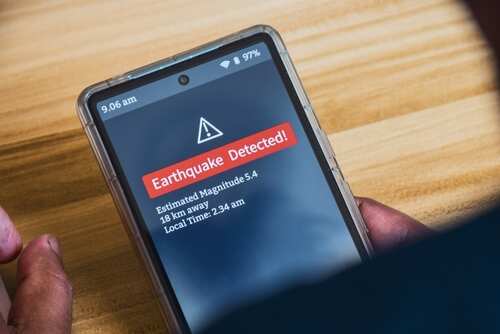
A 5.4-magnitude earthquake struck southern Alaska near Homer and the Kenai Peninsula on October 30, 2025, rattling communities across the region.
Story Highlights
- 5.4-magnitude earthquake hit southern Alaska near Homer and Kenai Peninsula at 23.6 kilometers depth
- Light tremors felt across multiple communities including Anchorage, demonstrating widespread impact
- USGS issued aftershock forecast extending until November 5, 2025, indicating ongoing seismic threat
- Event highlights Alaska’s position in seismically active Pacific Ring of Fire subduction zone
Earthquake Strikes Alaska’s Kenai Peninsula Region
The United States Geological Survey confirmed a 5.4-magnitude earthquake struck southern Alaska on October 30, 2025, centered near Homer and the Kenai Peninsula region. The seismic event occurred at a depth of approximately 23.6 kilometers, generating tremors that reached across the Kenai Peninsula and into Anchorage. This moderate earthquake represents typical seismic activity for Alaska’s highly active tectonic region, where the Pacific and North American plates interact along major subduction zones.
Federal Monitoring and Aftershock Assessment
USGS officials issued a detailed aftershock forecast following the main earthquake, with monitoring extending until November 5, 2025. The federal agency’s comprehensive tracking demonstrates the government’s role in seismic surveillance across America’s most earthquake-prone regions. Alaska’s position along the Pacific Ring of Fire makes it one of the most seismically active areas in the United States, requiring constant federal oversight and emergency preparedness coordination with state authorities.
More than 2,000 people filled out "Did You Feel It" reports for this morning's magnitude 5.4 earthquake on the Kenai Peninsula. Get the details on this widely felt earthquake in the story our amazing Earthquake Center team pulled together for you today! https://t.co/2NHAY1LBP7 pic.twitter.com/3muEzGMBRX
— Alaska Earthquake Center (@AKearthquake) October 31, 2025
Regional Impact and Infrastructure Resilience
Light tremors from the earthquake affected multiple communities across southern Alaska, including residents in Anchorage who felt the seismic activity despite the distance from the epicenter. The widespread nature of the tremors underscores the importance of robust building codes and infrastructure standards in earthquake-prone regions. While no major structural damage was reported, the event serves as a reminder of Alaska’s vulnerability to more significant seismic events that could threaten critical energy infrastructure and transportation networks.
Seismic Activity Context and Preparedness
The October 30 earthquake fits the normal pattern of moderate seismic activity expected in Alaska’s subduction zone system, where earthquakes in the 5.0-5.5 magnitude range occur regularly. However, this natural geological reality highlights the ongoing need for community preparedness and emergency response capabilities. Such events can trigger emergency protocols and remind residents of the importance of personal preparedness measures, including emergency supplies and family communication plans that don’t rely on potentially disrupted government services.
Sources:
5.4 Magnitude Earthquake Reported in US
USGS Earthquake Event Page Commentary
Alaska Earthquake: 5.4 Magnitude Quake Strikes Near Kenai, Homer
USGS Significant Earthquakes Browse