
Washington launched “Operation Economic Outcast,” a sweeping push to choke off Iran’s money networks and punish any foreign company that keeps them alive.
Story Highlights
- Treasury expanded secondary sanctions to hit foreign banks, shippers, and brokers tied to Iran’s revenue streams.
- Officials targeted oil sales, the shadow fleet, and procurement links for weapons programs across multiple countries.
- Treasury signaled more designations are coming as part of a sustained pressure campaign.
- The plan builds on years of “maximum pressure” aimed at driving Iran’s exports and hard-currency intake toward zero.
Treasury Announces a Global Squeeze on Iran’s Cash
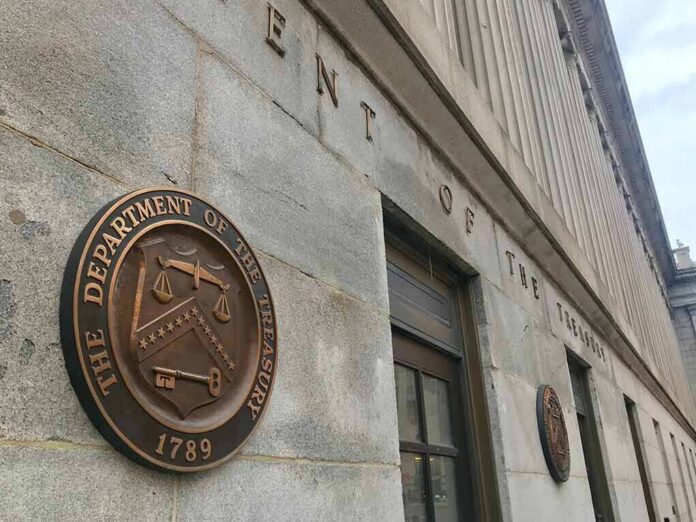
United States Treasury Secretary Scott Bessent announced a broad campaign to isolate Iran’s economy and the foreign firms that fund it. Treasury moved to widen secondary sanctions, which threaten penalties against non‑United States companies that do business with Iran’s oil, shipping, and finance channels. Officials said the effort targets the shadow fleet, brokers, and front companies that move Iranian crude and products to global buyers, cutting off hard currency that fuels Tehran’s aggression.
President Trump directed Treasury to keep ramping up designations to block every route Iran uses to earn or move funds. The Office of Foreign Assets Control has already sanctioned dozens of people, ships, and firms that enable illicit petroleum sales and help supply ballistic missile and advanced weapons production. Recent rounds focused on tankers, insurers, and facilitators across several jurisdictions, signaling a sustained drumbeat rather than a one‑off action.
How Secondary Sanctions Raise the Stakes for Foreign Actors
Secondary sanctions raise costs for foreign banks and traders that keep Iran’s commerce flowing. Treasury’s update expands the kinds of conduct that can trigger penalties, pushing compliance officers to exit Iran‑linked deals or risk access to the United States market and dollar clearing. Past measures aimed to push Iran’s oil exports toward zero by choking shipping, insurance, and payments. Press releases describe networks hit for brokering sales, masking cargo, and laundering funds through front firms.
Designation lists now reach into the logistics web that moves crude from port to refinery and then to sellers. Actions have cited entities for enabling shipments that support Iran’s defense programs and regional proxies. Treasury’s cadence on sanctions list updates and related guidance helps banks decide what to block and who to offboard, with more tranches expected as investigators map new facilitators. This approach pressures third‑country players to choose between Iran business and the United States financial system.
What “Operation Economic Outcast” Seeks to Achieve
The campaign’s goal is simple: starve the regime of cash to limit weapons programs and terror financing. Maximum pressure tactics began years ago and rely on constant enforcement to keep evaders from regrouping. New actions widen the scope and signal that the administration will not tolerate workarounds. By striking shippers, brokers, and banks at once, the plan aims to break key links in oil sales, which remain Tehran’s top source of hard currency.
Conservative readers will see a clear priority: protect American lives, our troops, and our allies by cutting resources to a hostile regime. Strong sanctions also spare taxpayers from another endless war. Hitting Iran’s wallets is cheaper and safer than sending more forces into harm’s way. The policy rests on firm legal tools and a record of designated actors tied to oil, transport, and defense procurement, backed by regular enforcement updates from the Treasury Department.
Why It Matters at Home: Security, Energy, and Resolve
This pressure campaign defends national security and American sovereignty. Iran’s leaders fund militias and weapons that threaten shipping lanes and U.S. partners. Cutting those funds reduces risk to American service members and keeps terror from gaining ground. The plan also protects the global trading system from black‑market fleets that dodge safety rules and hide cargo, raising costs for honest operators and insurers. Firm rules help restore fair play on the seas.
The U.S. Treasury has launched Operation Economic Outcast, a sweeping new campaign aimed at cutting Iran off from international sources of money. For crypto, the message is clear: digital assets are now firmly inside the sanctions fight.
Treasury says the campaign expands… pic.twitter.com/W5qz40tZAv— DeFi Planet (@PlanetDefi) August 25, 2026
Energy markets will watch tanker flows and insurance pricing. Treasury’s past efforts often forced cargo reroutes and raised compliance checks for buyers. Officials say the new scope of secondary sanctions will push more banks and traders to exit Iran deals altogether. That is how exports fall and cash dries up. The next test is steady follow‑through: frequent designations, tighter guidance, and real penalties for violators. Treasury has set that cadence and signaled more actions are imminent.
Sources:
nypost.com, ofac.treasury.gov, home.treasury.gov, reuters.com, bloomberg.com