Immigrant and minority shop owners just took New York City to court, saying the mayor’s taxpayer-backed grocery chain will crush their family businesses.
Story Highlights
- A coalition filed suit to block five city-owned grocery stores from moving forward.
- Plaintiffs say City Hall skipped economic-impact review and will undercut prices with subsidies.
- The plan targets one store per borough and advertises discounts up to 30% on staples.
- The city claims the model lowers costs while minimizing harm to independent grocers.
Lawsuit Targets City-Backed Grocery Chain and Alleged Unfair Edge
On August 24, 2026, the Multicultural Business Coalition filed two lawsuits in New York County Supreme Court to stop Mayor Zohran Mamdani’s plan for city-owned grocery stores. The filings seek to halt rollout until the city completes more land use review and economic analysis of effects on nearby independent grocers. The suits argue the program would place government in direct competition with small stores that already face thin margins and high fixed costs.
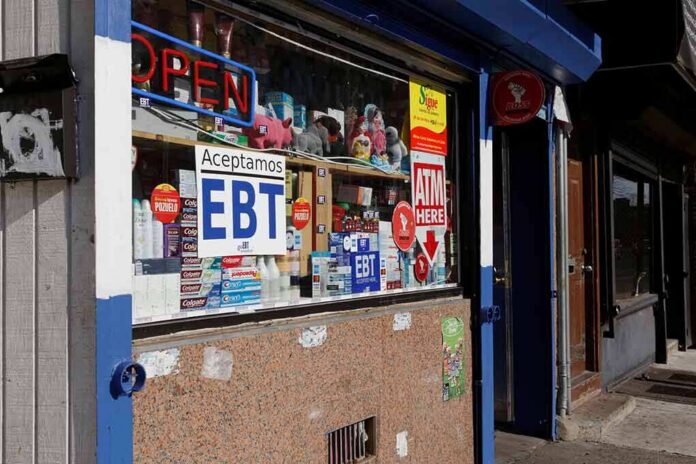
The coalition says its members include hundreds of immigrant and minority-owned bodegas and supermarkets across the city. They warn that a subsidized chain will tilt the field. Owners pay market rent, property taxes, and compliance costs. The city’s stores, they argue, would shift those costs to taxpayers while advertising below-market pricing on everyday goods. Group leaders say bodegas operate on two to three percent markups, leaving little room to match subsidized discounts.
The Plan: Five Government-Owned Stores With Mandated Discounts
City records show officials want private operators to run up to five “N.Y.C. Groceries” locations, one in each borough, under a city-ownership model. Reporting on the plan describes staple items, including produce, meat, milk, cheese, and bread, priced as much as 30 percent below market rates. City messaging says the stores will help families save on a core basket of goods through fixed, discounted prices that the operator must pass to customers.
Mayor Mamdani’s office says the city will own sites and cover overhead, like rent and construction, while a selected private operator manages daily work and follows price rules. The mayor said the city would subsidize a core set of staples and guarantee cheaper prices than current levels at private stores. Supporters say the program is designed to lower costs and minimize competition with independent grocers, with ideas to support them alongside new stores.
Core Dispute: Economic Harm, Civil Rights Claims, and Missing Studies
The lawsuit argues City Hall moved ahead without required economic-impact review on nearby small businesses and asks the court to pause the rollout until that work is done. Plaintiffs frame the plan as unfair competition because taxpayers would absorb costs that private owners must pay. Reporting also says the case includes civil-rights claims, alleging harm to Latino and Asian proprietors who dominate the local bodega sector. The precise legal counts await full review of the filed complaint.
Immigrant grocers just sued Mamdani to stop his city grocery stores.
According to the lawsuit: Mamdani’s goal to open one municipal store in each of the five boroughs where groceries will be 30% cheaper than at private grocers “threatens to further exclude immigrant and… pic.twitter.com/FHoK7vWQg1
— jay plemons (@jayplemons) August 25, 2026
There is no operating city store yet, so direct loss data do not exist. But the coalition points to the city’s own discount claims to show likely damage to thin-margin shops if subsidized prices arrive nearby. The city’s promise to “minimize competition” has few public details on siting or safeguards. Until New York releases hard analyses on pricing, subsidies, and neighborhood impacts, many owners view the plan as government picking winners and weakening community businesses.
Sources:
thegatewaypundit.com, nytimes.com, foxbusiness.com, nypost.com, yahoo.com, politicalwire.com, washingtonexaminer.com, nepyork.com, freshfruitportal.com, patch.com, cbsnews.com, a856-cityrecord.nyc.gov, hs.getobedio.com, nyc.gov, wsj.com, silive.com