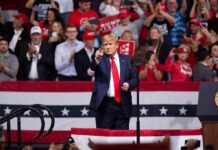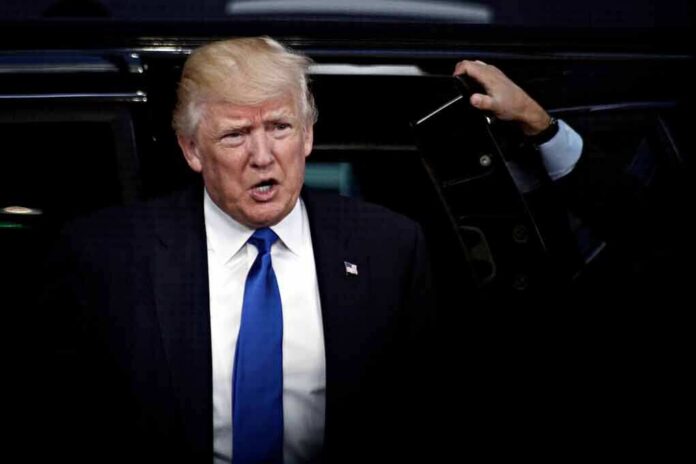
After surviving multiple attempts on his life, President Trump told supporters that “only consequential presidents get shot at,” a stark reminder of today’s dangerous political climate.
Story Highlights
- Trump framed repeated attempts on his life as proof his presidency matters.
- Federal authorities treated the 2024 Butler rally shooting as an assassination attempt.
- Scholars show attacks on presidents recur across eras during periods of high tension.
- Critics say Trump’s line risks minimizing the gravity of political violence.
Trump’s Remark And The Record Of Attempts
President Trump returned to the trail after fresh threats and told a Michigan crowd, “only consequential presidents get shot at.” Reporters captured the line as he linked the danger he faces to the impact of his agenda. The comment followed earlier trauma. A shooter’s bullet tore Trump’s ear at a Butler, Pennsylvania rally in July 2024. Federal agents labeled that attack an attempted assassination and a potential act of domestic terrorism during their probe.
Trump later described that day in detail to the country and called for unity, even as he promised to keep fighting. He stood back up, finished his speech, and then addressed the nation in the days that followed, signaling resolve under fire, not retreat. Supporters see this grit as proof of leadership under pressure. They argue the attacks reflect how deeply he is changing Washington’s status quo.
What History And Data Say About Presidential Attacks
Congressional researchers have counted at least 15 direct assaults on presidents, presidents-elect, and candidates since the founding of our Republic, with several deadly outcomes. That record shows attacks do not cluster around one party or decade. Instead, they appear during times of intense political strain, heavy media focus, and wide cultural divides. In other words, these attacks tend to track turmoil and polarization, not only one leader’s fame or legacy.
This wider pattern does not lessen the danger President Trump faces today. It explains it. The presidency draws unstable actors, radical ideologues, and fame-seekers. Security teams adapt, but determined attackers study gaps. The Butler shooting, and other threats since, fit what experts warn about: preplanned operations, symbolic targets, and rapid execution. The numbers and trends reinforce why constant vigilance and tighter protective measures remain vital.
The Debate Over Tone, Responsibility, And Security
Critics on the left and in some media argue Trump’s “consequential” line risks sounding like a boast. They say leaders should cool rhetoric after violence, not sharpen it. A major British newspaper said the call to “turn down the temperature” should not silence criticism of Trump, signaling they intend to keep pressing him even after the attacks. That view frames the incidents as part of a larger fight over speech, blame, and political accountability.
Conservatives see a different lesson. They point to the confirmed facts: federal agents treated Butler as an attempted assassination; the president has faced repeated, credible threats; and these events arrive amid extreme polarization. They argue the answer is not to muzzle debate but to protect free speech, punish political violence, and demand top-tier security. They note the historical record of direct assaults on presidents to stress that this threat is real, recurrent, and must be met with strength, not spin.
What Comes Next For Protection And Public Life
Security must adapt to modern risks. Crowded rallies, predictable routes, and open venues create exposure. Agencies need better advance work, smarter screening, and rapid counter-sniper coverage. Lawmakers should back targeted upgrades, not bloated programs that feed bureaucracy without results. The goal is simple: protect the office, protect the president, and protect peaceful political speech. That balance keeps our elections open and our leaders safe without trading away liberty.
For readers who worry about rising threats, remember this: evil actors want fear to rule. Do not give it to them. Stay vocal, vote, and keep engaging your neighbors. Hold officials to clear standards. Demand transparency when failures happen. Support lawful self-defense and the right to worship, work, and speak without harassment. That is how a free people answer violence—by standing taller, not by standing down.
Sources:
foxnews.com, npr.org, bbc.com, taskforce-kelly.house.gov, youtube.com