German police halted flights at Leipzig/Halle Airport after reports of an airborne object and a suspicious device near a runway raised a serious security alarm.
Story Highlights
- Police probed an airborne object and a separate runway item during an overnight shutdown.
- Flights, including a passenger jet, diverted while bomb-disposal tools examined the device.
- Leipzig/Halle is a major cargo hub, heightening supply chain stakes.
- Drone scares have disrupted European airports repeatedly since 2017.
Police Confront Dual Threats at a Key European Cargo Hub
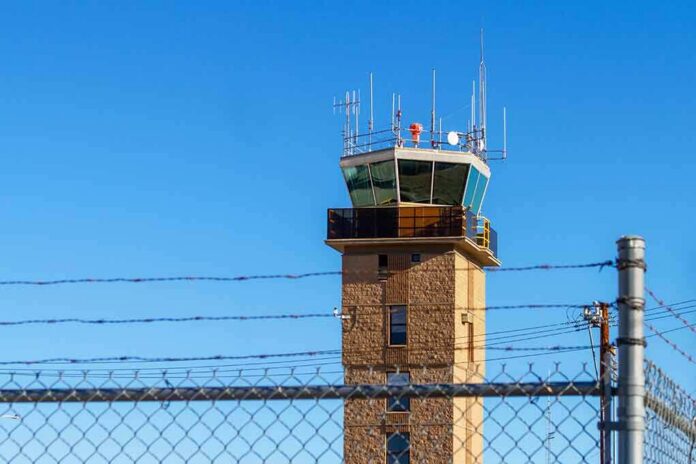
German police said they were investigating two linked concerns at Leipzig/Halle Airport overnight. Officers received a report of an airborne object near the field. At the same time, responders found a separate suspicious object by the southern runway. Authorities paused operations and diverted several flights, including a passenger plane, while specialists used explosives-disposal technology to assess the runway item. Reuters reported the airport’s cargo role added urgency to the response and the temporary shutdown.
Officials described the incident as “security-related,” which triggered standard protocols. Police did not immediately confirm the airborne object’s identity. Investigators treated the runway device as potentially dangerous until proven safe. That approach matches common aviation safety practice, which prioritizes caution when unknown objects appear near active runways. Disruptions ended after the immediate checks, though police continued to examine what the items were and how they arrived there.
Why This Matters for Travelers and Trade
Leipzig/Halle is not just another airport. It is a vital European cargo hub that moves time-critical goods overnight. A shutdown at such a node can delay medical supplies, spare parts, and consumer orders across borders. Even a brief stoppage ripples through trucking, warehousing, and next-day delivery. The conservative takeaway is simple. Secure borders and strong law enforcement protect lives and livelihoods. Swift action here kept passengers and crews safe while limiting wider damage.
Travelers have seen this movie before. A single suspicious item can halt flights, strand families, and rack up costs. That is why clear rules, fast decisions, and solid tools matter. Bomb-disposal robots, secure perimeters, and tight coordination cut risk and time. Conservative policy supports that focus. It values practical security, not theater. It backs the pros on the ground and demands accountability for anyone who tries to disrupt critical infrastructure and public safety.
Pattern: Drone and “Suspicious Object” Alerts Are Rising Risks
Across Europe, drone and cyber scares have exposed weak spots since 2017. Airports in Copenhagen, Oslo, Brussels, Berlin, and London have all faced closures or delays after drone sightings or related threats. Investigators have tied some cases to foreign actors and repeated harassment. Even when objects prove harmless, the cost is real. Flights stop. Crews time out. Families miss connections. Reuters has documented this trend and its toll on aviation resiliency.
🇩🇪🇺🇦 Overnight operations at Leipzig/Halle Airport ground to a halt after reports of an unidentified flying object and the discovery of a suspicious item near one of the runways.
Incoming flights were diverted while police sent an explosives robot in to inspect the object.
The… pic.twitter.com/uhUShKAQEu
— Mario Nawfal (@MarioNawfal) August 5, 2026
Security analysts say airports must detect, identify, and track suspected drones fast. They warn of false positives, but they also stress that early caution saves lives. European airports have upped defenses, yet the gap remains. The lesson for readers at home is clear. Strong borders, modern gear, and firm penalties deter chaos. The United States should keep leading on counter-drone tools and hardening airports. Freedom to travel and trade depends on safe skies and tough enforcement.
What We Know and What Comes Next
Police confirmed diversions, a reported airborne object, and a separate suspicious runway device at Leipzig/Halle. Specialists examined the ground object with explosives-disposal equipment. Authorities reopened operations after the immediate risk passed, while the probe continued. Investigators will now review camera footage, sensor data, and flight logs to determine whether a drone or another device was involved and whether criminal intent existed. Results will shape next steps and any charges.
Readers should expect updates on the object’s identity and any suspects. Early airport alerts can change as facts come in. That is normal in security work. The core facts stand. Police acted on a credible threat. Flights were diverted to protect lives. Europe’s aviation network again showed a key vulnerability. As the United States secures its own airports, policy should keep eyes on the ball. Back the cops, fund the tools, and hold bad actors to account, every single time.
Sources:
bbc.co.uk, gao.gov, airdroper.org