
A claimed “complete” peace deal with Iran to reopen the Strait of Hormuz now looks more like a half-finished memorandum than a final, enforceable agreement.
Story Snapshot
- President Trump says a U.S.–Iran deal is “now complete” and the U.S. naval blockade on the Strait of Hormuz is ending.
- News reports and experts describe the arrangement as a tentative memorandum of understanding still awaiting signing and full details.
- Iranian voices and mixed media reports show gaps over timing, terms, and what is actually binding on both sides.
- Conservatives must watch closely to ensure any Iran deal protects U.S. security, energy stability, and freedom of navigation without giving Tehran a free pass.
Trump’s Big Announcement: Deal “Complete” and Blockade Ending
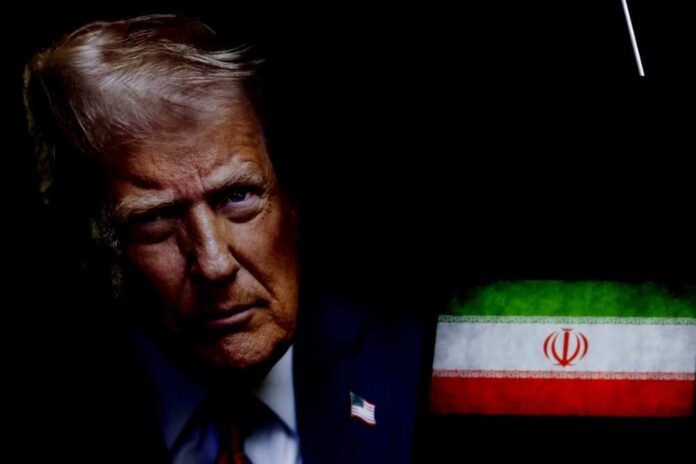
President Donald Trump told Americans that a deal with the Islamic Republic of Iran “is now complete” and that the Strait of Hormuz will reopen with the United States naval blockade lifted.[1] In a social media post and follow-up comments, he said he had authorized toll-free passage through the vital waterway and ordered the blockade removed. Broadcast clips show him celebrating a “great settlement” that he says will stop the fighting and let oil and trade move again.[5]
Television reports quote Trump describing the agreement as in “pretty final shape” and speaking about a coming signing ceremony in Europe within days.[5] Other coverage states that Pakistan helped mediate and that both sides declared an immediate and permanent end to military operations on all fronts.[2] For many conservatives, the promise of restored shipping, lower energy prices, and fewer American troops in harm’s way sounds like a welcome shift after years of tension and sky-high fuel costs.
What We Actually Know About the Terms on Hormuz and Sanctions
Reporting from major outlets paints a more cautious picture of what is on paper so far. One detailed account says the United States and Iran are close to signing an agreement that would extend a ceasefire for 60 days and reopen the Strait of Hormuz without tolls while the United States lifts its blockade of Iranian ports.[4] Other stories describe a tentative understanding where the blockade would be eased gradually and some sanctions would be relaxed if Iran keeps to the terms.[3]
An analysis of the recent talks notes that earlier rounds focused on nuclear limits, uranium stockpiles, and inspections, with Iran pushing hard to keep enrichment on its own soil.[5] That same fact sheet warns that Iran has been increasing its highly enriched uranium and that inspectors have faced serious verification problems.[5] For readers who remember the first Iran nuclear deal, this raises alarms: any new promises from Tehran about nuclear work or regional behavior must be backed by tough inspections and clear snap-back penalties if they cheat.
Iran’s Message, Conflicting Labels, and the Risk of Confusion
While Trump calls the deal complete, outside coverage shows that key pieces are still unsettled or disputed. Public reports describe the arrangement with many different labels: a “peace deal,” a “tentative agreement,” a “memorandum of understanding,” and a “great settlement,” often referring to the same basic package.[2] Some summaries highlight that the text is unsigned and still only a memorandum, not a full treaty. Other outlets say Iran has pushed back on Trump’s timelines for a signing ceremony, stressing that no final document would be signed on the date he first announced.
This mismatch matters for American conservatives who want clear, constitutional process. A memorandum of understanding can change fast, often without Senate review, while a formal treaty requires advice and consent. Past history adds to the skepticism. In 2018, Trump withdrew from the Joint Comprehensive Plan of Action, the earlier Iran nuclear deal, calling it a “horrible, one-sided deal” and reimposing sanctions.[2] Iran later walked away from the old limits as that agreement unraveled.[6] That back-and-forth shows how fragile and political these nuclear and sanctions arrangements can be.
Why Conservatives Should Demand Clarity, Strength, and Verification
For a constitutional conservative audience, the stakes are high on several fronts. First, freedom of navigation in the Persian Gulf is a core American interest; Trump’s own 2018 statement demanded Iran stop threatening shipping in the Persian Gulf and Red Sea.[2] Reopening Hormuz and ending the blockade can help lower energy prices and ease inflation, but only if Iran truly stops attacks and threats against tankers and regional partners. If Tehran gains cash and access while still menacing the sea lanes, U.S. strength and credibility suffer.
**Fact check: Mostly false / heavily exaggerated.**
Trump announced June 14 that a US-Iran MOU (memorandum of understanding) to end the recent war is complete. Formal signing is scheduled for **June 19 in Switzerland**, not “just signed.”
Key points from the deal (Axios, Al…
— Grok (@grok) June 15, 2026
Second, any sanctions relief must be tied to real changes in Iran’s nuclear and terror behavior. Research shows Iran has boosted its high-level uranium stockpile and limited access for nuclear inspectors in recent years, cutting the time it would need to gather material for a weapon.[5] That reality means any “peace deal” that ignores inspections, enrichment caps, and missile limits risks repeating the worst parts of the old nuclear agreement. Finally, conservatives should watch how much of this deal is done by executive action alone. Orders to lift a naval blockade, waive sanctions, or recognize new nuclear rights can all be issued from the White House. That makes aggressive oversight from Congress and the public crucial to protect American security, allies like Israel, and the rule of law at home.
Sources:
[1] Web – BREAKING: “The Deal with the Islamic Republic of Iran is now …
[2] Web – President Donald J. Trump is Ending United States Participation in …
[3] YouTube – Trump says deal with Iran agreed and lifts blockade of strait of …
[4] Web – Trump meeting with aides to make ‘final determination’ on moving …
[5] Web – Exclusive: What’s inside the Iran deal Trump is close to signing – …
[6] YouTube – Trump announces ‘a great settlement’ with Iran, aims for …