

A new policy threatens Venezuelan oil exports, sparking discussions on its impact on U.S. interests.
Story Highlights
- The Trump administration enforces a blockade on Venezuelan oil tankers.
- The move aims to cut off revenue streams for Nicolás Maduro’s regime.
- Chevron continues its operations under revised agreements.
- U.S. oil companies are hesitant to return to Venezuela.
Trump’s Blockade on Venezuelan Oil Tankers
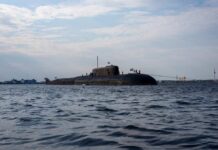
President Donald Trump has announced an aggressive enforcement strategy against Venezuelan oil exports by imposing a blockade on sanctioned tankers. This move targets the shadow fleet aiding Nicolás Maduro’s regime in evading U.S. sanctions. The strategy is designed to choke off the financial lifeline that allows Maduro to maintain political control and support from his security apparatus. The blockade follows the recent seizure of the tanker Skipper, a high-profile action against Venezuela’s illicit oil trade.
Watch:
Chevron’s Continued Operations Amid Restrictions
Despite the blockade, Chevron remains a significant player in Venezuela’s oil sector. The Trump administration has revised the previous administration’s framework to allow Chevron to continue producing roughly 240,000 barrels per day, which constitutes more than 20% of Venezuela’s output. However, internal PDVSA data reveal that a sanctioned trader linked to the Maduro regime has profited from Chevron-produced crude, raising concerns about the effectiveness of sanctions and the ethical implications of these arrangements.
The Trump administration has expressed interest in U.S. oil companies returning to Venezuela under a post-Maduro scenario or if sanctions are relaxed. Yet, major firms remain hesitant due to the associated legal, political, and reputational risks.
World’s biggest oil reserve holder faces US chokehold as Trump targets Venezuela’s shadow tanker fleet https://t.co/KndFSrWKcA #usa #feedly
— Music World 360 (@MusicWorld360x) December 18, 2025
Impact on Venezuelan Oil Exports and Global Dynamics
The blockade has resulted in a sharp decline in Venezuelan crude exports as sanctioned ships avoid Venezuelan waters to mitigate seizure risk. This has further squeezed the Maduro regime’s finances, complicating its ability to manage currency, imports, and political patronage. The move also disrupts the operations of shadow fleet operators, who face increased insurance costs and asset seizure risks, potentially driving them out of the Venezuelan trade space.
In the long term, persistent enforcement could force Venezuela to rely more on transparent channels or deepen its ties with non-Western partners like Russia and China. Meanwhile, Chevron’s strategic importance is likely to grow, offering Washington increased leverage but also exposing the company to potential political and reputational challenges.
Sources:
Trump Revised Chevron’s Venezuela Deal, Maduro’s Oil Trader Profited
What Trump’s Venezuela Oil Blockade Means for Maduro and the World