

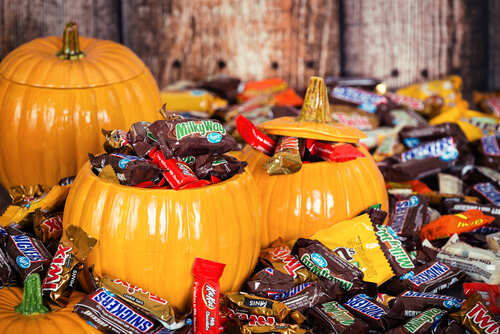
Drug dealers are disguising dangerous narcotics as popular Halloween candy, putting innocent children at risk.
Story Highlights
- Police across multiple cities seized THC-laced candies disguised as name brands ahead of Halloween 2025
- DEA warns parents about marijuana, methamphetamine, and fentanyl-contaminated treats targeting trick-or-treaters
- Despite widespread fear, experts confirm no verified cases of strangers harming children with drug-laced candy
- Urban legend dating back decades continues to undermine community trust and Halloween traditions
Law Enforcement Seizures Reveal Growing Threat
Police departments in several U.S. cities reported significant seizures of drug-laced candies packaged to look identical to popular name-brand treats throughout October 2025. The DEA issued urgent advisories warning parents to carefully inspect all Halloween candy for signs of tampering or drug contamination. These seizures included THC-infused gummies, methamphetamine-laced sweets, and potentially deadly fentanyl-contaminated candies designed to fool unsuspecting families. The sophisticated packaging makes detection nearly impossible without close examination.
Watch: Police warn of look-alike candy that could contain drugs
Expert Analysis Challenges Panic Narrative
Despite alarming headlines and law enforcement warnings, drug policy experts and criminologists consistently emphasize that actual incidents of strangers distributing contaminated candy to children remain extremely rare. Academic research spanning decades has found no verified cases of anonymous individuals intentionally harming trick-or-treaters through drug-laced treats. Most documented cases involved family members, adult-targeted products, or smuggling operations rather than Halloween distribution. Experts advocate for rational vigilance while cautioning against hysteria that damages community traditions.
Urban Legend Undermines American Values
The persistent fear of poisoned Halloween candy represents a troubling erosion of the neighborly trust that once defined American communities. This decades-old urban legend, originating in the 1960s without factual basis, has gradually transformed from folklore into perceived reality through media amplification and precautionary law enforcement messaging. The psychological impact extends beyond individual families, potentially driving communities toward organized events rather than traditional door-to-door trick-or-treating that builds social connections.
Protecting Children Without Destroying Traditions
Conservative families committed to preserving American traditions can take practical steps to ensure Halloween safety without succumbing to unfounded fears. Simple precautions include inspecting candy packaging for tampering, discarding homemade or unwrapped items, and accompanying young children during trick-or-treating. Law enforcement recommends checking for unusual odors, discoloration, or packaging inconsistencies that might indicate contamination. These measured responses protect children while maintaining the community-building aspects of Halloween that strengthen neighborhood relationships and family values.
The challenge for American families lies in distinguishing between legitimate caution and paralyzing fear that ultimately serves no protective purpose while destroying beloved traditions that connect generations and communities.
Sources:
Halloween Drug-Laced Candy Alert – DEA Press Release
Is Laced Candy Still a Concern in 2025? – America’s Rehab Campuses
Drug-Laced Candy Disguised as Name Brands Seized by Police – AOL
Poisoned Candy Myths – Wikipedia